Most homeowners do not think much about their heating and cooling system until comfort problems start appearing. One room feels freezing while another stays warm, energy bills suddenly rise, or family members begin arguing over the thermostat. These issues are often dismissed as normal household frustrations, but in many cases they point to a larger problem with how air is being distributed throughout the property.
Modern homes rarely use every room in the same way or at the same time. Bedrooms may sit empty during the day, loft conversions often trap heat, and larger open-plan areas can struggle to maintain a balanced temperature. In situations like these, a properly designed zone control system installation in Wilmington, NC can help create a more efficient and comfortable indoor environment without forcing the entire house to rely on one thermostat setting.
Uneven Temperatures Between Rooms
One of the clearest signs that a home could benefit from a zone control system is inconsistent room temperature. Many properties have areas that remain noticeably hotter or colder than others regardless of the season. Upstairs bedrooms often become uncomfortable during summer, while basements and lower floors may stay colder during winter.
This imbalance usually happens because traditional HVAC systems treat the entire property as one single climate zone. Airflow is distributed evenly, even though the heating and cooling demands across the house are completely different. Common warning signs include:
- Bedrooms that feel too warm at night
- Guest rooms that stay cold and unused
- Conservatories or sunrooms overheating during summer
- Family members regularly adjusting the thermostat
A zoning system allows different areas of the home to maintain separate temperatures, helping each room feel more comfortable without affecting the entire property.
Your Energy Bills Continue to Climb
Rising utility costs are another strong indicator that the current HVAC setup may not be operating efficiently. When one thermostat controls the whole home, the system often works harder than necessary to maintain comfort in rarely used spaces.
For example, cooling every bedroom throughout the day when nobody is upstairs wastes a significant amount of energy. The same problem occurs in winter when heating empty rooms adds unnecessary strain on the system. Homeowners often notice several financial warning signs:
- Seasonal energy bills increasing year after year
- HVAC systems running for unusually long periods
- Frequent thermostat adjustments with little improvement
- High cooling costs during hot weather
Zone control systems reduce wasted energy by directing conditioned air only where it is needed. This more targeted approach can improve efficiency while reducing unnecessary runtime for the HVAC equipment.
Family Members Constantly Disagree About Temperature
Thermostat disputes are extremely common in busy households. One person feels too cold while another complains about excessive heat. In larger homes, these disagreements become even more noticeable because temperature preferences vary between bedrooms, offices, living areas, and shared spaces.
Traditional systems offer limited flexibility because a single thermostat controls the entire house. This often forces occupants to compromise on comfort.
Zone control systems solve this problem by dividing the property into independently controlled sections. Parents can keep bedrooms cooler at night while maintaining warmer temperatures in living areas downstairs. Home offices can stay comfortable during working hours without affecting unused spaces elsewhere in the home. This personalised approach creates a more practical living environment while helping reduce unnecessary heating and cooling demands.
Your Home Has Multiple Floors
Multi-storey homes naturally experience uneven airflow and temperature distribution. Heat rises, meaning upper floors frequently become warmer than ground-level spaces. During summer, this can make upstairs bedrooms uncomfortable even when the lower floor feels perfectly cool.
Many homeowners attempt to solve the issue by lowering the thermostat, but this often overcools the rest of the house and increases energy consumption. A zoning system addresses the root problem by creating separate climate zones for different levels of the property. Homes that often benefit from zoning include:
- Two-storey family houses
- Properties with converted lofts
- Homes with finished basements
- Large open-plan layouts
- Extensions added after the original build
By giving each floor independent control, the HVAC system can respond more accurately to changing temperature conditions throughout the day.
Certain Rooms Are Rarely Used
Many households have spaces that remain empty for long periods. Guest bedrooms, storage rooms, dining areas, and hobby spaces may only be occupied occasionally, yet traditional HVAC systems continue heating or cooling them alongside the rest of the property.
This creates unnecessary energy waste and forces the system to work harder than needed. Over time, constant operation can also contribute to wear and tear on HVAC equipment.
A zoning setup allows homeowners to reduce airflow to unused areas without sacrificing comfort elsewhere. This makes the system more efficient and gives occupants greater control over how energy is used throughout the property.
Your HVAC System Runs Constantly
If the heating or cooling system seems to run almost continuously, poor airflow balance may be part of the problem. Homes with uneven temperatures often force HVAC systems into longer operating cycles because the thermostat struggles to satisfy comfort demands across every room simultaneously.
Continuous operation not only increases energy bills but can also shorten equipment lifespan. Components such as compressors, blowers, and motors experience greater strain when systems rarely shut off.
Zone control systems help reduce this pressure by improving airflow management. Because each zone receives more targeted conditioning, the system can operate more effectively without constantly compensating for hot and cold spots.
Smart Homes Benefit From Zoned Comfort
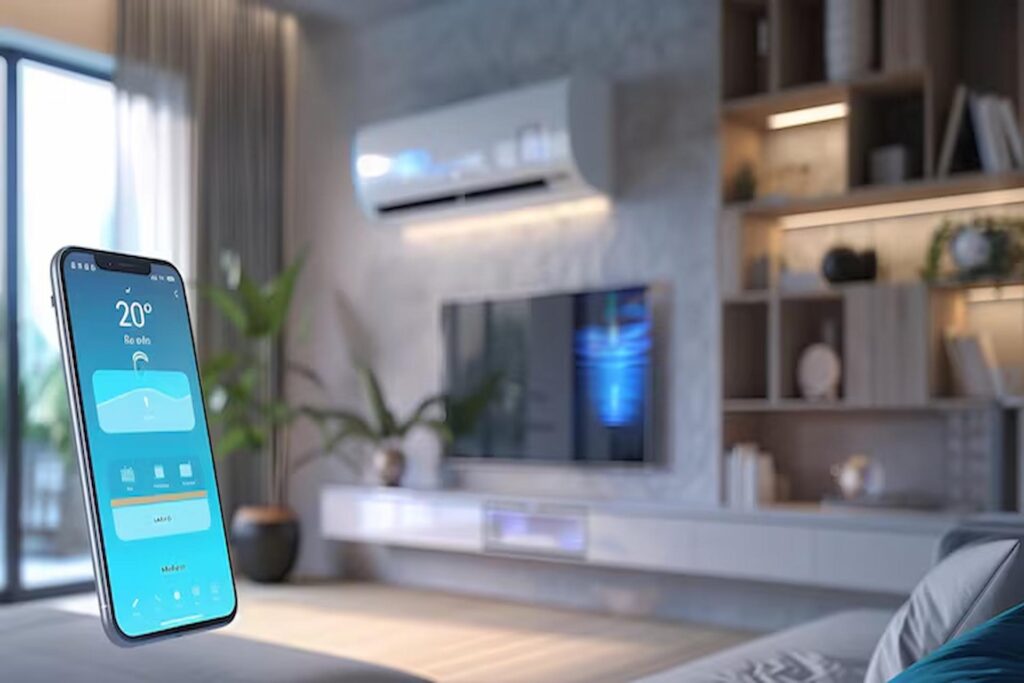
As more homeowners adopt smart thermostats and connected home technology, zoning systems are becoming increasingly attractive. Smart zoning allows users to control temperatures remotely, create schedules for specific rooms, and improve overall household efficiency.
For example, temperatures can automatically adjust when family members leave for work or school. Bedrooms can cool before bedtime, while living spaces remain comfortable during the evening. This level of flexibility supports both convenience and energy savings.
Modern zoning technology also integrates well with many existing HVAC systems, making upgrades more accessible than many homeowners realise.
Conclusion
Heating and cooling problems rarely disappear on their own. Uneven temperatures, rising energy bills, constant thermostat adjustments, and rooms that never feel comfortable are often signs that a traditional HVAC setup is struggling to meet the demands of the home.
A zone control system offers a more efficient and practical solution by dividing the property into independently managed areas. Instead of forcing one thermostat to handle every room equally, zoning creates better comfort, reduced energy waste, and improved system performance throughout the year.
For homeowners dealing with inconsistent indoor temperatures or increasing utility costs, upgrading to a zoned HVAC approach can make a noticeable difference in both comfort and long-term efficiency.