Running a successful business isn’t just about making more sales. Plenty of companies generate impressive revenue but still struggle with weak profits. Others earn less revenue yet consistently outperform competitors because they have built a business model that keeps more of every dollar they earn.
This is where profit architecture comes in.
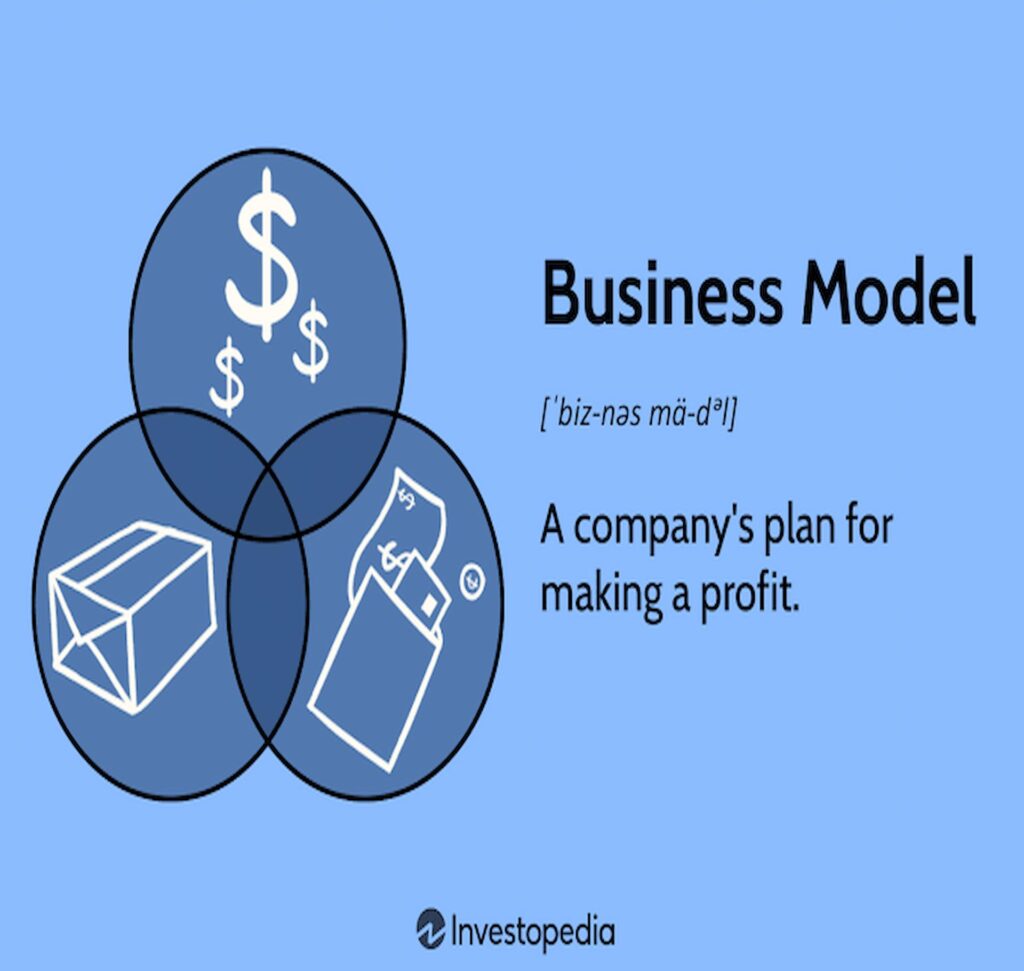
Profit architecture is the intentional design of a business model to maximize profitability without sacrificing customer value. Instead of chasing constant growth, it focuses on creating systems that improve margins, increase efficiency, and generate sustainable financial results over time.
Businesses that embrace profit by design don’t leave profitability to chance. Every decision—from pricing and product development to customer acquisition and delivery—is made with long-term financial health in mind.
In this guide, you’ll learn how profit architecture works, why it matters, and how to build a business model that consistently produces stronger margins.
What Is Profit Architecture?
Profit architecture is the framework that determines how your business creates, captures, and retains profit.
It answers questions such as:
- Where does most of our profit actually come from?
- Which customers generate the highest lifetime value?
- Which products produce the strongest margins?
- Where are unnecessary costs reducing profitability?
- How can we increase profit without simply increasing sales?
Many businesses focus heavily on the top line—revenue. Profit architecture shifts attention toward the bottom line by designing systems that convert revenue into sustainable profit.
Think of revenue as fuel. Profit architecture is the engine that determines how efficiently that fuel powers the business.
Why Revenue Alone Can Be Misleading
Growing revenue often feels like progress. But revenue without healthy margins can actually create more problems.
For example:
- Higher sales may require more staff.
- More customers can increase support costs.
- Lower prices can attract buyers while shrinking profit.
- Expanding product lines may increase operational complexity.
A business that doubles revenue while tripling expenses isn’t becoming stronger.
On the other hand, improving margins by just a few percentage points often creates far greater financial stability than chasing aggressive sales growth.
The goal isn’t simply to sell more.
The goal is to earn more from what you already sell.
The Core Components of Profit Architecture
Strong profit architecture combines several interconnected elements.
Pricing Strategy
Pricing has one of the largest impacts on profitability.
Many businesses underprice because they fear losing customers. In reality, customers often evaluate value—not just price.
Effective pricing considers:
- Customer willingness to pay
- Competitive positioning
- Perceived value
- Market demand
- Brand reputation
Rather than asking, “What’s the lowest price we can charge?” ask:
“What’s the highest value we can confidently deliver?”
Businesses that compete primarily on price usually face thinner margins and constant competitive pressure.
Businesses that compete on value enjoy greater pricing flexibility.
Cost Structure
Every business has costs.
The challenge is understanding which costs create value and which quietly reduce profits.
A healthy cost structure separates expenses into three categories:
Essential Costs
These directly support product quality, customer experience, or growth.
Examples include:
- Skilled employees
- Reliable technology
- Product development
- Customer support
Variable Costs
These rise and fall with sales volume.
Examples include:
- Shipping
- Payment processing
- Raw materials
- Sales commissions
Hidden Costs
These often go unnoticed but significantly reduce margins.
Examples include:
- Inefficient workflows
- Excess inventory
- Duplicate software subscriptions
- Poor communication
- Manual administrative tasks
- Customer returns
Reducing hidden costs often improves profitability without affecting customers.
Product Mix Optimization
Not every product contributes equally to profit.
Some products generate high sales but low margins.
Others sell less frequently while producing exceptional profit.
A profit-focused business regularly analyzes:
- Gross margin by product
- Customer demand
- Sales volume
- Operational complexity
- Support requirements
Sometimes eliminating low-margin products improves overall profitability more than launching new ones.
A smaller, more profitable product portfolio is often easier to manage and market.
Customer Profitability
Every customer isn’t equally valuable.
Some customers:
- Buy repeatedly
- Require minimal support
- Refer others
- Purchase premium products
Others:
- Demand constant assistance
- Frequently request refunds
- Buy only discounted products
- Generate little long-term value
Profit architecture focuses on attracting customers who create lasting profitability instead of maximizing customer count alone.
Customer Lifetime Value (CLV) becomes far more important than one-time sales.
Profit by Design: Building Margins Into Every Stage
Profit isn’t created at the end of the sales process.
It’s designed into every stage of the customer journey.
Customer Acquisition
Acquiring customers too expensively destroys margins before revenue is even earned.
Businesses should track:
- Customer acquisition cost (CAC)
- Conversion rates
- Marketing return on investment
- Lead quality
Higher-quality leads often cost more initially but generate significantly greater long-term profit.
Sales Process
A well-designed sales process increases average transaction value without aggressive selling.
Examples include:
- Product bundles
- Premium versions
- Cross-selling
- Upselling
- Service packages
The goal is helping customers purchase complete solutions rather than isolated products.
Delivery
Operational efficiency protects profit.
Questions worth asking include:
- Can delivery be automated?
- Can repetitive work be simplified?
- Are employees spending time on high-value tasks?
- Can technology reduce manual effort?
Even small efficiency improvements multiply across hundreds or thousands of transactions.
Retention
Keeping existing customers is generally more profitable than constantly acquiring new ones.
Retention strategies include:
- Loyalty programs
- Memberships
- Educational content
- Personalized communication
- Exceptional customer support
Long-term customers often spend more while costing less to serve.
Pricing Strategies That Improve Margins
Pricing should reflect value, not simply cost.
Several pricing approaches support stronger profitability.
Value-Based Pricing
Customers pay based on the value they receive rather than production costs.
This approach works especially well for:
- Consulting
- Software
- Professional services
- Premium products
- Specialized expertise
Tiered Pricing
Offering multiple pricing levels allows customers to choose the option that best matches their needs.
A simple example includes:
- Basic
- Professional
- Premium
Tiered pricing often increases average order value while serving different customer segments.
Bundle Pricing
Combining complementary products creates greater perceived value.
Bundles can:
- Increase average purchase size
- Move slower inventory
- Improve customer satisfaction
- Simplify buying decisions
Dynamic Pricing
Some industries adjust prices based on demand, seasonality, or inventory.
Examples include:
- Airlines
- Hotels
- Event tickets
- Ride-sharing services
When applied carefully, dynamic pricing helps maximize revenue without permanently lowering prices.
The Psychology Behind Profitable Pricing
Customers don’t judge prices objectively.
They compare value.
Several psychological principles influence purchasing decisions.
Anchoring
Showing a premium option first makes standard options appear more affordable.
Decoy Pricing
Adding a third option can encourage customers toward the most profitable package.
Price Framing
Customers often respond more positively to:
- “$49 per month”
than
- “$588 per year”
Even though the total cost is identical.
Value Stacking
Instead of lowering prices, increase perceived value.
Businesses can include:
- Training
- Templates
- Support
- Extended warranties
- Bonus services
- Exclusive resources
Customers focus on total value rather than price alone.
The Power of Recurring Revenue
Recurring revenue creates predictable cash flow and improves long-term profitability.
Examples include:
- Software subscriptions
- Membership programs
- Maintenance plans
- Service retainers
- Product subscriptions
- Licensing agreements
Benefits include:
- More predictable income
- Higher customer lifetime value
- Improved forecasting
- Stronger business valuation
- Better cash flow management
Recurring revenue also reduces dependence on constantly finding new customers.
Identifying Hidden Profit Leaks
Many businesses unknowingly lose substantial profit through small operational issues.
Common profit leaks include:
- High employee turnover
- Poor inventory management
- Excess discounting
- Inefficient meetings
- Manual data entry
- Weak supplier negotiations
- Low conversion rates
- High refund levels
- Customer churn
- Unused software subscriptions
Regular profit audits help uncover these hidden losses before they become major financial problems.
Metrics Every Business Should Track
Strong profit architecture depends on reliable financial data.
Key performance indicators include:
- Gross profit margin
- Net profit margin
- Customer acquisition cost
- Customer lifetime value
- Average order value
- Contribution margin
- Operating expenses
- Customer retention rate
- Revenue per employee
- Recurring revenue percentage
- Cash flow
These metrics provide a clearer picture of business health than revenue alone.
Common Mistakes That Reduce Profitability
Even successful businesses can undermine their own margins through avoidable decisions.
Some of the most common mistakes include:
- Competing solely on price
- Offering too many low-performing products
- Ignoring operational inefficiencies
- Discounting too frequently
- Chasing every customer instead of ideal customers
- Failing to review supplier costs
- Underinvesting in automation
- Measuring revenue instead of profitability
Recognizing these habits is the first step toward building a stronger financial foundation.
Practical Steps to Design a More Profitable Business
Profit architecture doesn’t require an overnight transformation. Small, deliberate improvements often produce the greatest long-term results.
Start by focusing on these actions:
- Review profit margins across every product and service.
- Identify your highest-value customer segments.
- Eliminate unnecessary operational costs.
- Strengthen pricing based on customer value.
- Introduce recurring revenue where possible.
- Simplify product offerings.
- Automate repetitive tasks.
- Monitor profitability metrics monthly.
- Test premium offers instead of constant discounts.
- Continuously refine your business model based on financial performance.
Consistent improvements compound over time, creating a business that becomes stronger with every decision.
Why Profit Architecture Creates Long-Term Resilience
Economic conditions change. Markets shift. Customer expectations evolve.
Businesses designed around healthy margins adapt more easily because they have:
- Better cash reserves
- Greater pricing flexibility
- More room for innovation
- Reduced financial pressure
- Stronger competitive positioning
Instead of relying on rapid growth to survive, they build resilience directly into their operating model.
That resilience often becomes their greatest competitive advantage.
Frequently Asked Questions
What is profit architecture?
Profit architecture is the intentional design of a business model to maximize profitability by optimizing pricing, costs, product mix, customer value, and operational efficiency rather than focusing only on revenue growth.
How is profit architecture different from revenue growth?
Revenue growth measures how much money a business earns, while profit architecture focuses on how much of that revenue is retained as profit through smarter business design and efficient operations.
What is profit by design?
Profit by design is the practice of building profitability into every stage of a business—from customer acquisition and pricing to delivery, retention, and cost management—rather than treating profit as a byproduct.
Why is recurring revenue important?
Recurring revenue provides predictable income, improves cash flow, increases customer lifetime value, and reduces dependence on constantly acquiring new customers.
How can businesses find hidden profit leaks?
Businesses can identify profit leaks by reviewing operational workflows, monitoring financial metrics, analyzing customer profitability, auditing expenses, and regularly evaluating processes that add cost without increasing value.
Conclusion
The strongest businesses are rarely those with the highest revenue. They are the ones that consistently turn revenue into sustainable profit.
Profit architecture shifts the conversation from chasing sales to designing a business that keeps more of what it earns. By refining pricing, simplifying operations, optimizing product offerings, reducing hidden costs, and building recurring revenue, businesses can strengthen their margins without sacrificing customer value.
The most resilient companies don’t depend on luck or short-term growth spurts. They build profitability into every decision they make. Over time, these intentional choices create healthier cash flow, greater flexibility, and a stronger competitive position.
When profit becomes part of your business design rather than an afterthought, every sale contributes more meaningfully to long-term success.