Heat pumps have become one of the most energy-efficient ways to heat and cool modern homes. However, even high-quality systems can lose efficiency over time without proper care and maintenance. Small issues like clogged filters, poor airflow, or thermostat mistakes can quietly increase energy costs and reduce comfort. Understanding how to improve heat pump efficiency helps homeowners lower utility bills, extend system lifespan, and maintain reliable indoor temperatures throughout every season.
Heat pumps are designed to provide efficient heating and cooling year-round, making them a popular choice for homeowners seeking to reduce energy consumption without sacrificing comfort. Unlike traditional HVAC systems that generate heat directly, heat pumps transfer heat from one location to another. This process allows them to operate more efficiently in many climates while helping homeowners manage monthly utility expenses.
Still, no heat pump can maintain peak performance forever without proper care. Dirt buildup, airflow restrictions, poor insulation, and neglected maintenance can all reduce system efficiency over time. Many homeowners begin searching for professional heat pump repair in Essex, VT after noticing rising energy bills or inconsistent indoor temperatures, but several preventative steps can help improve performance before major problems develop.
Keep Air Filters Clean and Unobstructed
One of the simplest yet most effective ways to improve heat pump efficiency is to keep air filters clean. Dirty filters restrict airflow, forcing the system to work harder to circulate air throughout the home. This extra strain can reduce efficiency, increase energy consumption, and create uneven indoor temperatures.
Filters should be checked regularly, especially during seasons when the heat pump operates more frequently. Homes with pets, dust concerns, or higher indoor activity levels may require more frequent filter replacements.
Clean filters help maintain proper airflow while supporting better indoor air quality. They also reduce unnecessary strain on internal components, helping the system operate more smoothly over time.
Adjust Thermostat Settings Wisely
Thermostat habits play a major role in heat pump efficiency. Many homeowners make frequent temperature adjustments throughout the day, believing this improves comfort or saves energy. In reality, dramatic thermostat changes can force the heat pump to work harder than necessary.
Heat pumps generally perform best when maintaining steady indoor temperatures. Sudden increases in temperature settings may activate backup heating systems, which often consume significantly more electricity.
Programmable or smart thermostats can help homeowners manage temperatures more efficiently. These devices automatically adjust settings based on schedules and occupancy patterns, reducing unnecessary energy use while maintaining comfort.
Improve Airflow Throughout the Home
Restricted airflow can quietly reduce heat pump performance and increase operating costs. Furniture placed over vents, blocked return registers, or closed interior doors may prevent air from circulating properly throughout the house.
Keeping vents open and unobstructed allows the heat pump to distribute air evenly across all rooms. Ceiling fans can also improve airflow by helping warm or cool air circulate more effectively through living spaces.
Homeowners who experience weak airflow or inconsistent room temperatures may eventually require professional heat pump repair in Essex, VT to identify ductwork problems or system restrictions affecting efficiency.
Schedule Regular Professional Maintenance
Routine professional maintenance remains one of the most important factors in long-term heat pump performance. Even if the system appears to operate normally, hidden issues may gradually reduce efficiency without obvious warning signs.
During maintenance visits, HVAC technicians inspect refrigerant levels, electrical connections, coils, motors, and airflow performance. They also clean components that may collect dirt or debris over time.
Professional servicing helps identify small issues before they become major repairs. Preventive maintenance often improves energy efficiency while reducing the risk of unexpected system failures during extreme weather.
Most experts recommend scheduling maintenance at least once or twice each year to keep the system operating at peak performance.
Keep the Outdoor Unit Clean
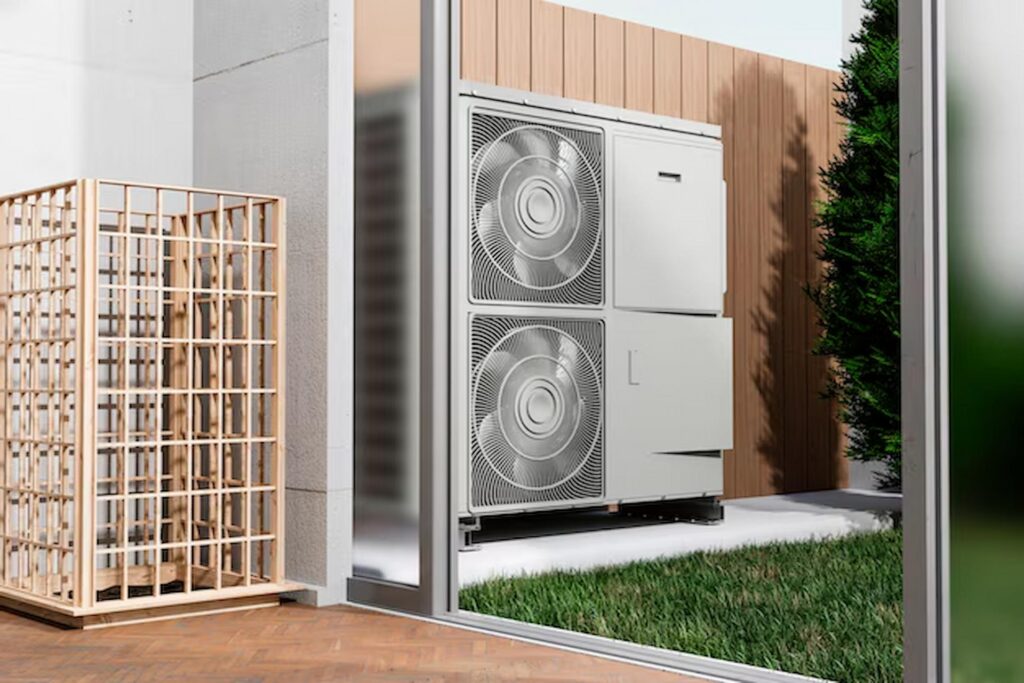
The outdoor component of a heat pump plays a critical role in transferring heat efficiently. However, leaves, dirt, grass clippings, snow, and debris can restrict airflow around the unit and reduce overall performance.
Homeowners should regularly inspect the outdoor unit and clear away any obstructions surrounding it. Maintaining at least a few feet of open space around the system helps ensure proper airflow and efficient heat exchange.
In colder climates, snow and ice buildup should also be monitored carefully during the winter months. Excessive accumulation can interfere with operation and place additional strain on the system.
Simple outdoor maintenance improves efficiency and supports reliable year-round performance.
Seal Air Leaks and Improve Insulation
Even the most efficient heat pump may struggle if the home itself allows heated or cooled air to escape. Drafty windows, poorly sealed doors, and inadequate insulation force the system to work harder to maintain indoor temperatures.
Sealing air leaks around windows, doors, and the attic helps significantly reduce energy loss. Adding insulation in key areas can also improve temperature stability and reduce the heat pump’s workload.
Improved insulation benefits both heating and cooling efficiency throughout the year. It also helps homeowners maintain more consistent indoor comfort regardless of outdoor conditions.
Use Ceiling Fans to Support Efficiency
Ceiling fans are often associated with summer cooling, but they can also improve heat pump efficiency during colder months. Proper fan direction helps distribute conditioned air more evenly throughout the home.
During winter, reversing the ceiling fan rotation helps push warm air downward from the ceiling. This creates a more balanced indoor temperature and reduces the strain on the heating system.
In summer, fans improve air circulation and create a cooling effect that may allow homeowners to raise thermostat settings slightly without reducing comfort.
These small adjustments can contribute to noticeable energy savings over time.
Address Small Repairs Quickly
Minor heat pump problems rarely improve on their own. Unusual noises, weak airflow, short cycling, or inconsistent temperatures often indicate developing issues that may worsen if ignored.
Addressing small repairs early helps prevent additional strain on the system and reduces the likelihood of major component failure. Delayed repairs can eventually affect efficiency, comfort, and system lifespan.
Homeowners noticing declining performance often contact professionals specializing in heat pump repair in Essex, VT to diagnose issues before they become more expensive or disruptive.
Quick action usually leads to lower repair costs and better long-term reliability.
Avoid Overworking the System
Heat pumps operate most efficiently when allowed to maintain steady temperatures rather than constantly compensating for extreme indoor conditions. Opening windows during operation, running exhaust fans excessively, or using space heaters frequently can unnecessarily increase the system’s workload.
Homeowners should also avoid setting temperatures far above or below what is needed. Consistent thermostat settings help the system maintain comfort more efficiently while reducing energy usage.
Simple operational habits often make a meaningful difference in long-term efficiency and monthly utility costs.
Upgrade Older Systems When Necessary
Older heat pumps naturally become less efficient over time, especially if they have not received regular maintenance throughout their lifespan. Advances in HVAC technology have led to significant improvements in energy efficiency, performance, and smart system controls.
If repair costs become frequent or energy bills continue rising despite maintenance efforts, upgrading to a newer system may provide better long-term value. Modern heat pumps often offer quieter performance, improved temperature control, and stronger efficiency ratings.
Consulting experienced HVAC professionals helps homeowners determine whether repairs or replacement provides the most practical solution.
Final Thoughts
Improving heat pump efficiency does not always require major upgrades or expensive modifications. In many cases, simple maintenance habits and smart operational practices can significantly improve performance while reducing energy costs.
Clean filters, proper airflow, routine servicing, and improved insulation all contribute to better efficiency and more reliable comfort throughout the year. Addressing small issues early also helps prevent larger problems that may affect system lifespan and indoor comfort.
Homeowners who prioritize regular care and professional maintenance often enjoy lower utility bills, improved reliability, and a more comfortable living environment for years to come.