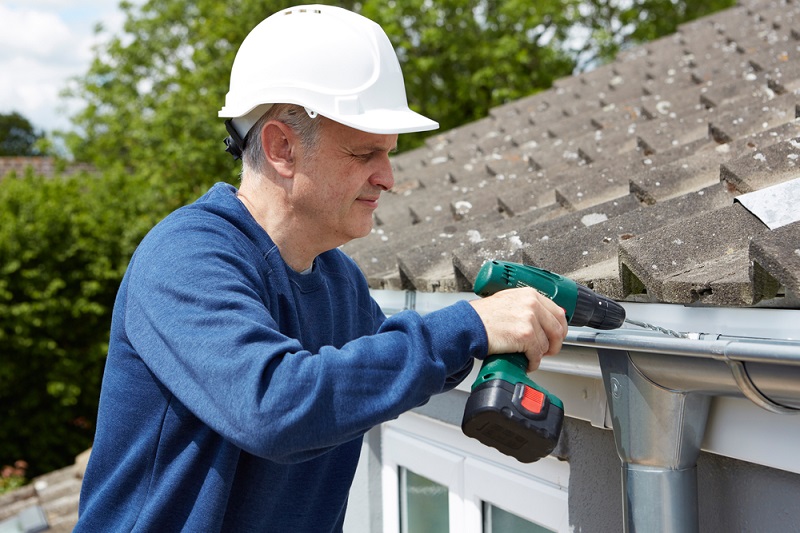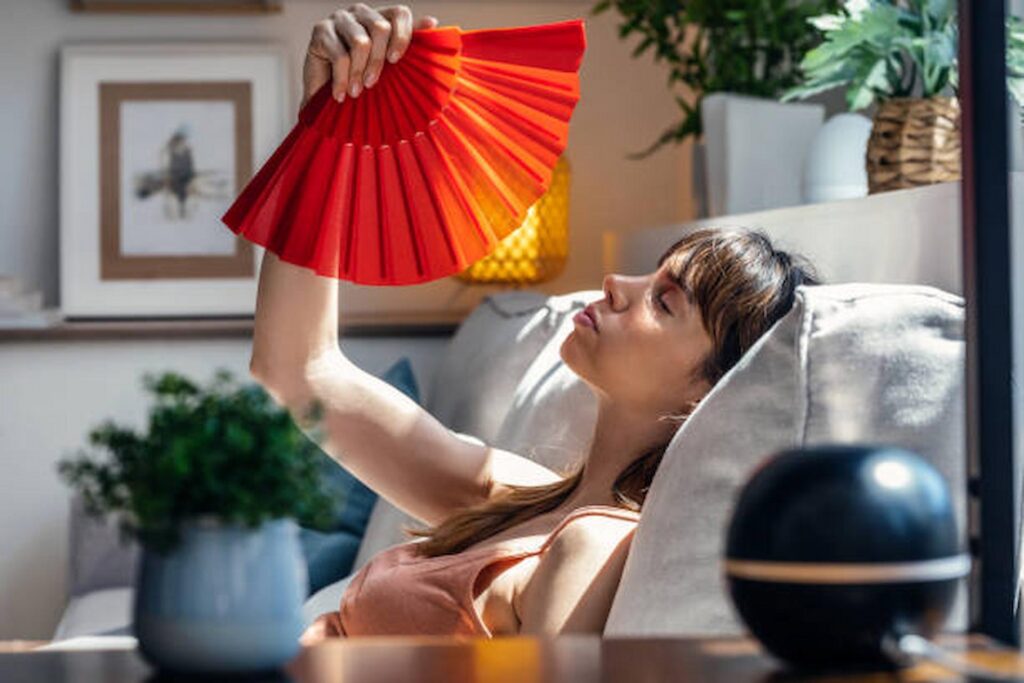
Extreme heat waves can place enormous pressure on homes, cooling systems, and energy usage during the hottest months of the year. Indoor temperatures can rise quickly, making living spaces uncomfortable and even unsafe for children, seniors, and pets. Preparing your home before severe heat arrives can improve indoor comfort, lower cooling costs, and reduce strain on your HVAC system while supporting healthier indoor air quality.
One of the best ways to prepare for prolonged heat is scheduling professional services for your cooling system before temperatures peak. HVAC inspections can identify airflow issues, refrigerant leaks, clogged filters, or aging components that may reduce efficiency during high-demand periods. Early maintenance helps homeowners avoid unexpected breakdowns while improving energy performance and maintaining reliable indoor comfort throughout extreme summer weather.
Improve Airflow Throughout Your Home
Proper airflow is essential for keeping indoor temperatures stable during intense heat waves. Restricted airflow forces air conditioning systems to work harder, increasing utility bills and reducing cooling performance.
Common Causes of Poor Airflow
Dirty air filters, blocked vents, damaged ductwork, and overloaded HVAC systems can all limit circulation. Uneven cooling often develops when conditioned air cannot move efficiently through the home.
Replacing filters regularly and ensuring vents remain unobstructed can improve cooling consistency while supporting better indoor air quality and HVAC efficiency.
Upgrade Insulation and Seal Air Leaks
Many homes lose cooled air through poorly insulated walls, attic spaces, windows, and doors. Preventing cool air loss can significantly improve comfort while lowering energy costs during heat waves.
Why Insulation Matters
Insulation slows heat transfer, helping indoor spaces stay cooler even during extreme outdoor temperatures. Sealing leaks around windows, doors, and ductwork also prevents hot outdoor air from entering the home.
Homeowners often rely on professional services to identify insulation gaps, evaluate duct leakage, and recommend energy-efficient improvements that support long-term comfort and cooling performance.
Helpful Energy Efficiency Improvements:
- Seal window and door gaps
- Add attic insulation
- Install energy-efficient windows
- Use thermal curtains
- Upgrade weather stripping
- Schedule duct inspections
These upgrades can help reduce HVAC strain and improve temperature control.
Use Smart Thermostat Settings
Thermostat management plays a major role in cooling efficiency during heat waves. Small adjustments can lower energy usage while keeping indoor spaces comfortable.
Best Thermostat Practices
Setting temperatures slightly higher while away from home can reduce unnecessary cooling demand. Smart thermostats also help homeowners automate schedules and monitor energy consumption more effectively.
Avoid drastic thermostat changes because this may force HVAC systems to run longer without cooling spaces more efficiently.
Reduce Indoor Heat Sources
Everyday household activities can increase indoor temperatures without homeowners realizing it. Appliances, electronics, and lighting often add unwanted heat during summer afternoons.
Ways to Minimize Indoor Heat
Cooking outdoors, limiting oven use, and switching to LED lighting can help reduce excess heat buildup. Running dishwashers and laundry machines during cooler evening hours may also improve comfort and lower HVAC workload.
Controlling indoor heat sources allows cooling systems to operate more efficiently during periods of extreme weather.
Protect Indoor Air Quality During Heat Waves
Heat waves often increase airborne pollutants, dust, and humidity levels inside homes. Poor indoor air quality can reduce comfort and worsen respiratory conditions.
HVAC Maintenance Supports Cleaner Air
Clean air filters, balanced humidity levels, and proper ventilation help maintain healthier indoor conditions. Air conditioning systems also play a role in reducing excess moisture that can encourage mold growth.
Indoor Comfort Tips During Extreme Heat:
- Replace HVAC filters regularly
- Use ceiling fans to improve circulation
- Keep blinds closed during peak sunlight
- Monitor indoor humidity levels
- Schedule seasonal HVAC inspections
- Keep outdoor AC units free from debris
These habits can improve cooling performance and support healthier living environments.
Ceiling Fans Help Reduce Cooling Costs
Ceiling fans cannot lower room temperature directly, but they help circulate cooled air more effectively throughout the home.
How Fans Improve Comfort
Air movement creates a wind-chill effect that makes rooms feel cooler. This allows homeowners to raise thermostat settings slightly without sacrificing comfort, reducing energy consumption during high-demand summer periods.
Fans also help eliminate hot spots in upper-level rooms where heat naturally accumulates during the day.
Watch for Signs of HVAC Trouble
Cooling systems often show warning signs before complete failure occurs. Recognizing these issues early can help homeowners avoid emergency breakdowns during dangerous heat waves.
Warning Signs That Need Attention
Warm air from vents, weak airflow, rising energy bills, unusual noises, and frequent system cycling often indicate developing HVAC problems. Delaying repairs may place additional strain on compressors and other critical components.
Prompt professional service can help restore cooling performance before conditions become more severe.
Outdoor Shade Can Improve Cooling Efficiency
Sun exposure significantly increases indoor heat gain, especially around windows and exterior walls.
Ways to Add Outdoor Shade
Trees, awnings, pergolas, and exterior window coverings can reduce direct sunlight entering the home. Shading outdoor air conditioning units may also improve cooling efficiency by helping systems operate under lower temperatures.
Strategic landscaping and shade improvements can support long-term energy savings while improving summer comfort.
Emergency Preparedness During Severe Heat
Extended heat waves can sometimes strain power grids and increase the likelihood of outages. Preparing ahead helps protect household safety during extreme weather conditions.
Heat Wave Emergency Essentials
Store extra water, flashlights, portable fans, and backup batteries in case power interruptions occur. Battery-powered thermometers can also help monitor indoor temperatures during emergencies.
Having a plan in place improves safety while reducing stress during severe summer weather events.
To Conclude
Intense heat waves can challenge home comfort, increase energy bills, and place significant strain on HVAC systems. Improving insulation, maintaining airflow, reducing indoor heat sources, and scheduling regular HVAC inspections can help homeowners stay cooler and more energy efficient during extreme temperatures. Smart thermostat settings, proper ventilation, and early attention to cooling system issues also support healthier indoor air quality and long-term equipment performance. By preparing early and investing in preventative care, homeowners can protect comfort, reduce cooling costs, and create a safer indoor environment throughout the hottest summer months.