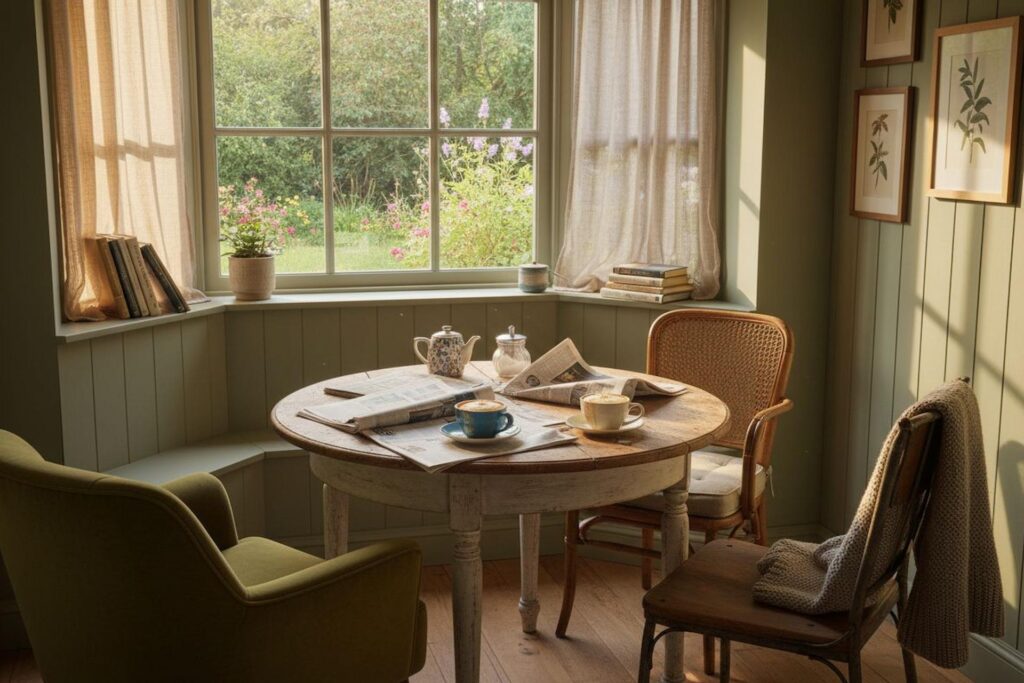
Natural light can completely change the feel of a home. Bright rooms often seem larger, cleaner, and more inviting, while darker spaces can feel cramped and unwelcoming. Many homeowners assume that improving natural light requires expensive renovations, new windows, or major construction work. In reality, a few smart changes can dramatically increase the amount of daylight in a room without touching the electrical wiring or hiring a contractor. Whether you live in a house, flat, or rental property, these practical natural lighting hacks can help create a brighter, more comfortable living environment.
Start by Maximising Existing Windows
Before investing in any upgrades, make sure your current windows are allowing as much sunlight as possible. Dirt, dust, and grime on glass can reduce the amount of natural light entering a room. A thorough window cleaning, both inside and outside, often produces an immediate improvement. Clean window screens can also make a noticeable difference.
It is equally important to remove unnecessary obstacles near windows. Large decorations, oversized plants, or bulky furniture positioned directly in front of windows can block daylight before it spreads through the room.
Choose Window Treatments Carefully
Heavy curtains may look attractive, but they often prevent sunlight from reaching deeper into the room. Consider replacing thick, dark fabrics with lighter alternatives that allow daylight to filter through while still maintaining privacy. Sheer curtains, light-coloured blinds, and adjustable shades can help balance brightness and comfort throughout the day. When curtains are open, make sure they are pulled completely clear of the window frame. Even partially covering the glass can reduce the amount of incoming light.
Use Mirrors to Reflect and Spread Light
Mirrors remain one of the simplest and most effective ways to brighten a room naturally. A strategically placed mirror reflects sunlight and distributes it throughout the space. Positioning a mirror opposite a window often delivers the best results because it bounces incoming daylight back into the room.
Large wall mirrors can make smaller spaces feel significantly brighter and more open. Even decorative mirrored furniture or smaller accent mirrors can contribute to improved light distribution without changing the room’s structure.
Select Light Paint Colours
Wall colour plays a major role in how bright a room feels. Dark colours absorb more light, while lighter shades reflect it. Soft whites, warm creams, pale greys, and light beige tones help daylight travel further around a room.
Paint finish matters as well. Satin, eggshell, and semi-gloss finishes reflect more light than flat paint finishes. While highly glossy surfaces may not suit every style, choosing a subtle reflective finish can noticeably increase brightness.
If repainting an entire room is not practical, consider refreshing only the ceiling. A lighter ceiling often helps create the impression of a larger and brighter space.
Rearrange Furniture to Improve Light Flow
Furniture placement has a greater impact on natural light than many people realise.
Large bookcases, cabinets, and sofas positioned near windows can block daylight and create shadows throughout the room. Moving these items away from primary light sources allows sunlight to spread more evenly.
When possible, place taller furniture against interior walls and reserve areas near windows for lower-profile pieces. This simple adjustment can make a room feel brighter without spending any money.
Add Reflective Surfaces Throughout the Room
Natural light reflects from more than just mirrors. Glossy tables, glass furniture, polished metal finishes, and light-coloured décor can all help scatter daylight around a space. Reflective surfaces work together to maximise available sunlight and reduce dark corners. Some useful options include:
- Glass coffee tables
- Metallic picture frames
- Reflective decorative accessories
- Gloss-finish cabinetry
- Light-coloured flooring
Small changes across multiple surfaces often create a larger impact than a single major upgrade.
Consider Solar Tubes and Skylight Alternatives
Some rooms simply do not receive enough daylight because of their location within the home. For these situations, solar tubes can be an effective solution. Unlike traditional skylights, solar tubes require minimal roof space and direct sunlight through reflective tunnels into darker areas such as hallways, bathrooms, and utility rooms.
They are generally less expensive and less disruptive to install than full skylights while still delivering impressive amounts of natural light.
Bring Nature Closer
Thoughtful landscaping can also influence indoor brightness.
- Trim overgrown shrubs, hedges, and tree branches that block sunlight from reaching windows.
- Remove climbing plants that may be covering valuable glass surfaces.
- Keep exterior areas around windows open to maximise daylight exposure.
- Choose smaller indoor plants that add greenery without creating large shadows.
- Position houseplants slightly away from windows to avoid blocking incoming light.
A well-maintained outdoor space can have a surprisingly positive effect on indoor brightness.
Keep Décor Light and Balanced
Room décor influences how light is perceived. Light-coloured rugs, cushions, furniture, and wall art help maintain an airy atmosphere. Dark furnishings are not necessarily a problem, but using too many in a small room can make the space feel heavier and darker.
Creating contrast with lighter accessories often provides the best balance between style and brightness. The goal is not to remove personality from a room but to help available daylight travel more effectively throughout the space.
Frequently Asked Questions
How can I make a dark room brighter without adding lights?
Use mirrors, light paint colours, reflective surfaces, and better furniture placement to maximise the natural light already entering the room.
Do mirrors really increase natural light?
Yes. Mirrors reflect sunlight and distribute it throughout a room, helping spaces feel brighter and larger.
What paint colour reflects the most light?
Soft white is generally the most reflective paint colour, followed by light cream and pale neutral shades.
Are sheer curtains better for natural light?
Yes. Sheer curtains allow daylight to pass through while still providing a degree of privacy.
Can plants reduce natural light indoors?
Large plants placed directly in front of windows can block sunlight. Positioning them slightly away from windows helps maintain brightness.
Final Thoughts
Brightening a room does not always require expensive renovations or electrical upgrades. In many cases, the solution lies in making better use of the natural light already available. Clean windows, carefully chosen window treatments, strategic mirror placement, lighter paint colours, and thoughtful furniture arrangements can dramatically improve how a space looks and feels.
The best part is that most of these natural lighting improvements are affordable, simple to implement, and suitable for both homeowners and renters. With a few smart adjustments, even the darkest room can feel brighter, more spacious, and far more welcoming throughout the year.