Reliable Hot Water Every Day
Hot water is one of those household essentials that often goes unnoticed until it suddenly disappears. Whether you are showering, washing dishes, or doing laundry, your water heater quietly supports daily routines. Understanding why water heaters fail helps homeowners recognize early warning signs, reduce repair expenses, and extend equipment life. Smart preventive care is far less expensive than dealing with emergency breakdowns and unexpected water damage.
Many homeowners search for water heater repair Rochester only after their system stops producing hot water or begins leaking. In many cases, however, failure develops gradually through small mechanical changes that could have been corrected earlier. Reduced heating efficiency, unusual sounds, inconsistent temperatures, or slow recovery times often indicate developing issues that deserve prompt professional attention before larger components become damaged.
Sediment Slowly Reduces Efficiency
Minerals naturally present in water settle inside storage tanks over time. This sediment forms a layer that separates the burner or heating element from the water above it. As insulation builds, the heater must operate longer to reach the desired temperature. Extended heating cycles increase energy consumption while exposing internal components to unnecessary stress that gradually shortens the equipment’s service life.
Small Deposits Become Large Problems
A thin layer of mineral buildup may seem insignificant, yet repeated heating hardens sediment into dense deposits that become increasingly difficult to remove. Homeowners sometimes notice popping or rumbling sounds coming from the tank during operation. These noises result from trapped water escaping beneath hardened sediment, signaling that efficiency has declined and internal temperatures have begun rising beyond normal operating conditions.
Corrosion Never Stops Working
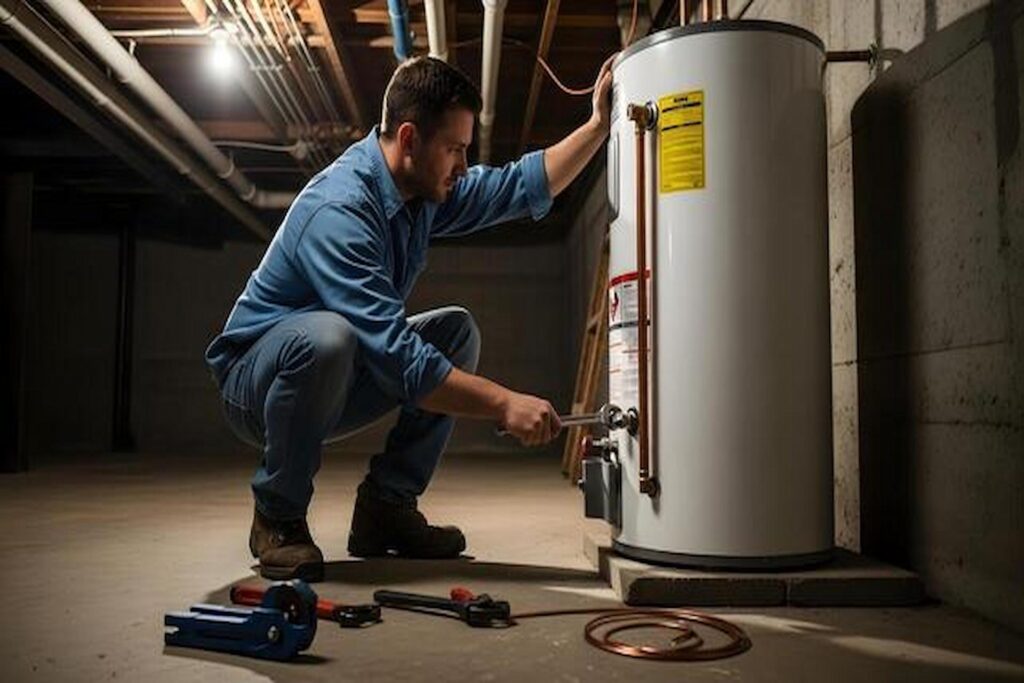
Professional water heater repair Rochester technicians frequently discover corrosion long before homeowners notice visible leaks. Water heaters rely on sacrificial anode rods that attract corrosive elements, protecting the steel tank itself. Once the anode rod becomes depleted, corrosion gradually attacks internal surfaces. Replacing this inexpensive component at appropriate intervals often extends tank life significantly while delaying the need for complete equipment replacement.
Preventive Steps Worth Taking
Routine attention keeps water heaters operating efficiently while reducing the likelihood of unexpected failures.
- Flush the storage tank to remove accumulated sediment.
- Inspect the anode rod periodically for wear.
- Test the temperature and pressure relief valve.
- Check around the tank for moisture or small leaks.
- Keep the thermostat at an efficient temperature setting.
- Schedule professional inspections every year.
- Listen for unusual sounds during heating cycles.
- Address minor performance changes before they worsen.
Questions Homeowners Frequently Ask
Why Does Hot Water Run Out Faster?
Reduced hot water capacity does not always indicate an undersized water heater. Sediment buildup, failing heating elements, damaged dip tubes, or declining burner performance often reduce the amount of usable hot water available. Professional diagnosis identifies the actual cause instead of relying on assumptions. Correcting these issues early frequently restores normal performance without requiring complete water heater replacement.
Another common question concerns whether small leaks can safely be ignored. Even minor moisture around fittings or the tank deserves immediate attention. Some leaks originate from loose plumbing connections or valves, while others indicate internal tank deterioration. Distinguishing between repairable plumbing issues and structural tank failure requires careful inspection. Delaying service increases the possibility of sudden leaks that damage flooring, walls, and nearby belongings.
Water Quality Matters
Local water conditions influence how quickly a water heater ages. Hard water accelerates mineral accumulation, while aggressive water chemistry may increase corrosion inside the tank. Homeowners experiencing repeated plumbing scale or mineral deposits on fixtures should recognize that similar buildup is occurring inside the water heater. Addressing water quality concerns alongside regular maintenance often improves efficiency and extends the lifespan of plumbing equipment throughout the home.
Professional Inspections Add Value
Annual inspections involve more than checking whether hot water is available. Experienced technicians evaluate burner performance, electrical components, venting systems, safety controls, pressure relief valves, and overall tank condition. They also identify subtle changes that homeowners rarely notice during everyday use. Establishing a maintenance history allows technicians to monitor gradual wear, making future repair decisions more accurate and helping prevent unexpected equipment failures.
Protect Your Investment
A dependable water heater results from consistent care rather than good fortune. Sediment removal, corrosion prevention, routine inspections, and prompt attention to early warning signs help homeowners avoid expensive breakdowns while improving efficiency and extending equipment life. Understanding how water heaters gradually develop problems makes preventive maintenance a practical investment instead of an unnecessary expense. Taking action before small concerns become major failures ensures reliable hot water, lower operating costs, and greater confidence in your home’s plumbing system for years to come.