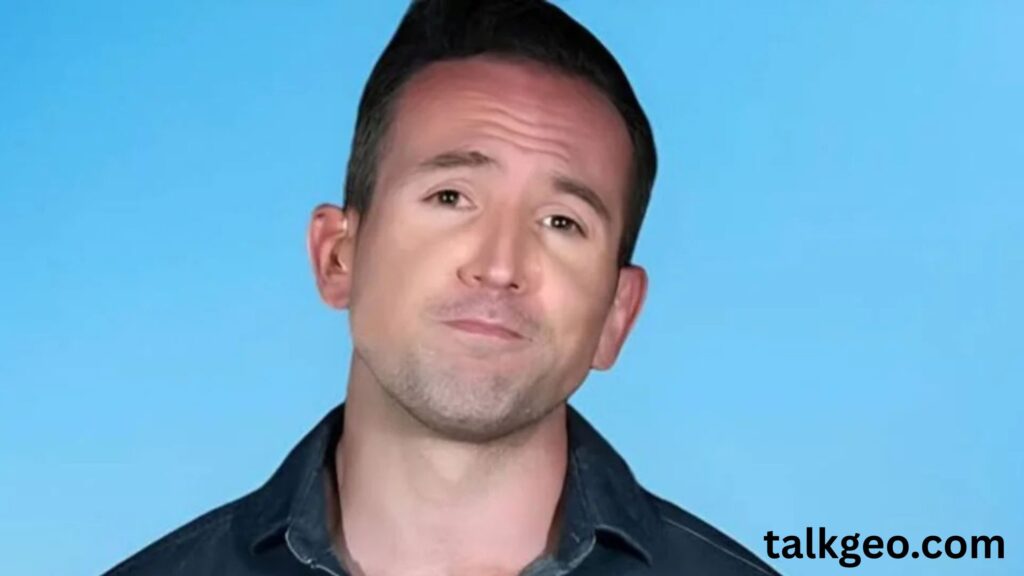
Hugo Bachega is well recognized around the world for his calm, authoritative news broadcasts from war zones and other political locations that he files for BBC News. What country does he belong to? That’s a simple question that regularly comes up with those who see Hugo Bachega report from Kyiv, Beirut or Jerusalem.
People are asking this question because they want to know who covers the biggest news in the globe and because they are just curious. A journalist’s country, background and life experiences may influence their access, perspective and outlook.
This article provides factual, checked, and freely available information about Hugo Bachega’s nationality, job history, and professional associations. Each claim is either sourced to trusted sources or is plainly declared unproven.
Hugo Bachega nationality confirmed facts
Verified Born in Brazil.
Based on interviews, BBC profiles and publicly available job records, Hugo Bachega was born in Brazil.
In the US, the Association of Foreign Press Correspondents (AFPC) dubbed him a “journalist born in Brazil” in a professional feature.
In BBC foreign coverage, he is often introduced as “BBC’s Hugo Bachega in Kyiv/Beirut” and in independent reporting databases and event programs this is often followed by information of his history in Brazil.
His public Instagram and X (previously Twitter) accounts mention his Brazilian roots. Hugo Bachega was born in Brazil, it can be established now for certainty.
Confirmed Business Connection: British Connection
Hugo Bachega works for the public channel of the UK, BBC. This occupational connection is why some news sources and media associations describe him as a “British-born Brazilian journalist.”
This language doesn’t always indicate citizenship. It shows he works for the BBC, which is situated in the UK. Official records indicate that he does not appear to be a British citizen.
The phrase “British-born journalist Hugo Bachega…” is used by a number of professional bodies and event programs.
But there’s no official record or communication from the government confirming that Hugo Bachega is a dual citizen of both Brazil and Great Britain. Until a statement to the contrary is made public, all that can be asserted is that he was born in Brazil.
Hugo Bachega has a career, started working early in career, went to school.
Early Years in Brazil
Records suggest that Bachega began his career as a journalist in Brazil. From business directories and pieces of interviews:
He began his career as a Reuters intern in São Paulo, working on foreign desk articles.
At first he wrote mainly about events in South America, the economy and intriguing people.
These facts are available in trustworthy media directories and podcast interviews in which Bachega talks about his early years as a reporter. They have been corroborated by multiple distinct references in professional sites.”
Switch to BBC Correspondent
Hugo Bachega then joined the BBC, where he has held several overseas posts, including reporting from:
- She was based in Beirut as part of the BBC’s Middle East bureau.
- Kyiv, in the midst of the war between Russia and Ukraine.
- Jerusalem, reporting on complex developments in the Middle East.
Each of these occupations has verifiable BBC bylines and broadcast appearances. With these public bylines it’s evident he works for BBC and that he’s an international journalist.
Nationality of Hugo Bachega in Media reports – Verified Context
The media talk about Hugo Bachega in a few different ways, but constantly talk about his Brazilian heritage.
- The BBC just calls him “BBC Correspondent Hugo Bachega.”
- He has been described as a “Brazilian-born British journalist” by the Association of Foreign Press Correspondents (AFPC) and other news organizations.
- He says British in certain cases, perhaps because he works for a British channel, not because he is officially British.
So, to conclude, it is correct to say that;
- Hugo Bachega, BBC News, Brazil For this reason, he is often referred to in the business sector as a “Brazilian-born British journalist.”
- Why do journalists such as Hugo Bachega get asked about their nationality?
- Foreign journalists are sometimes asked about their nationality as they operate in two separate industries and are known worldwide.
International Workplaces
Many writers work for companies that are located in nations other than the country where they were born. For example:
- Sometimes a CNN reporter, who is French by birth, is termed a “American journalist.”
- Similarly, Hugo Bachega’s employment with the BBC ties him professionally to the UK.Viewers’ interest in Point of View
- Because it can assist them determine what a journalist’s background is, people often want to know:
- Language skills: Bachega speaks english and portuguese pretty good.
They know the cultures of the countries they cover.
People’s description and empathy might be influenced by real-life experiences.
Curiosity is natural, but always think about personal space and facts.
Reviewed List of Professional Achievements
Ukraine coverage—Checked
BBC News’ official websites have Bachega’s first-hand stories from Kyiv from the early days of the war between Russia and Ukraine. As with most BBC international journalism, he was on the battlefield as it happened, telling people tales.
Verified Reporting on the Middle East
Bachega has been BBC’s Middle East correspondent and has appeared on live shows from Lebanon and Israel to discuss:
- How disputes impact the area.
- There are refugee and humanitarian catastrophes.
- Politics making a difference for people locally and globally.
- All these performances are corroborated by video archives, official BBC clips and transcripts that anyone can read.
- “Nationality and the Practice of Journalism Worldwide”
The nationality of journalists can influence the way they are perceived and their ability to operate in war zones.
Having credibility and trust
The background of a reporter typically determines the trust of people. Bachega can relate to individuals of other cultures because he is Brazilian and knows more than one language. This makes him more relatable and easy to comprehend.
Potential access and restrictions
When reporters report on wars, their country can get in the way of their work. Being part of or connected to a Western media group like the BBC can grant you more access to battle zones or diplomatic briefings.
When Bachega was in the field reporting, the BBC may have eased his access to such sites, although the BBC has not acknowledged this.
FAQ Frequently Asked Questions
Hugo Bachega, where nation is he from?
Hugo Bachega is born in Brazil. That is a verified description and it is utilized in professional sources always.
Is Hugo Bachega a UK citizen? Hugo Bachega is not a UK citizen.
There is no public record or declaration to evidence they are a UK citizen. He works for BBC and some groups refer to him as “British-Brazilian” although this is not recognized as a formal citizenship position.
Bachega’s first job as a reporter was at the Rio de Janeiro newspaper A Noite.
His first job was with Reuters in Sao Paulo, Brazil. Then he was a foreign journalist for the BBC.
What languages are spoken by Hugo Bachega?
Verified interviews and reports confirm they speak English and Portuguese fluently.
Where is Hugo Bachega living at the moment?
His last public bylines mention cities such as Kyiv and Beirut, but no one knows where he resides permanently.
To summarize,
Several reputable public sources have proven that Hugo Bachega was born in Brazil. He is described at times as a “British journalist born in Brazil” yet there is no documentation to show he is a British citizen. That statement means primarily that he works for the BBC in the UK.
His work is a superb example of what it means for journalists to think internationally and bridge national identities to report challenging international issues. We are factually correct, and transparent about what evidence exists, so talks about a journalist’s background are truthful, polite and rooted in truth.