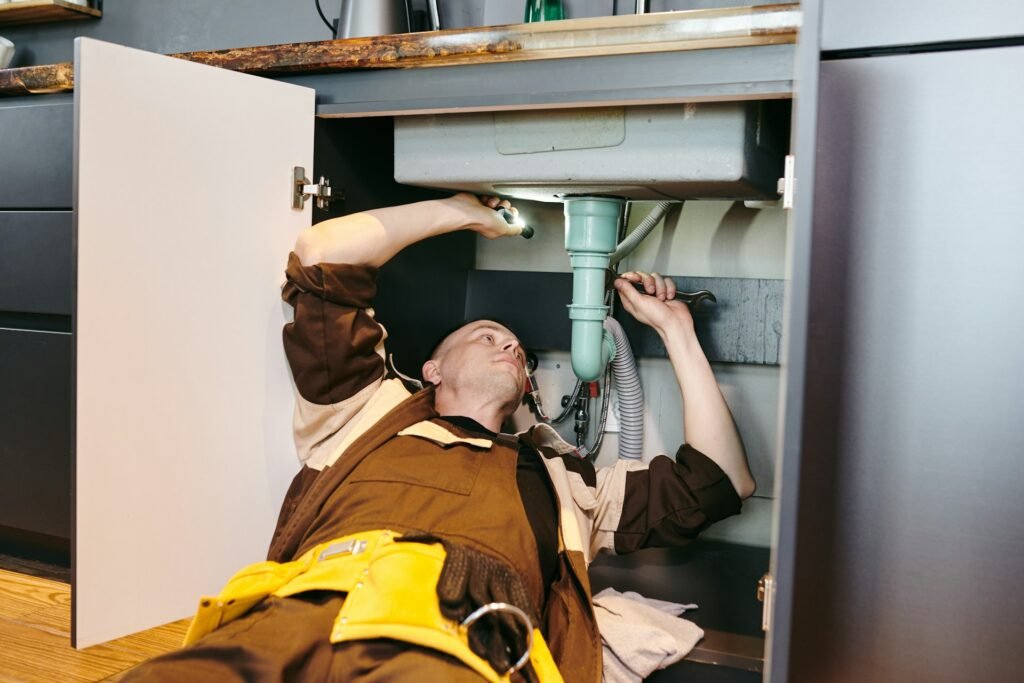
Sewer line problems often create more than just plumbing headaches. Backups, odors, or soggy spots in the lawn raise immediate worries about costly yard destruction, ruined landscaping, and weeks of disruption. Many homeowners assume the only solution involves heavy excavation that leaves a scarred property and a large repair bill.
Fortunately, modern approaches make it possible to fix many sewer issues with far less surface damage. Homeowners looking into trenchless sewer repair in Columbus, OH, can often restore function while keeping driveways, gardens, and hardscaping largely intact. These methods focus on working from inside the existing pipe rather than opening a long trench across the property.
Why Sewer Line Damage Matters
A failing sewer line does more than slow drains. Leaks can saturate soil, create sinkholes, attract roots, and allow sewage to seep into the ground. Over time, the damage spreads, raising the risk of indoor backups, foundation issues, and expensive emergency work. Addressing problems early reduces the chance that a small crack becomes a full collapse that limits repair options.
Traditional dig-and-replace methods require removing soil, concrete, and plantings along the entire pipe path. Restoration of the yard often costs as much as the plumbing work itself. Trenchless techniques reduce that secondary expense by limiting excavation to small access points.
Common Warning Signs of Sewer Line Trouble
Recognizing early indicators helps you act before the situation worsens. Watch for these practical signals:
- Multiple fixtures draining slowly at the same time
- Gurgling sounds from toilets or drains when water runs elsewhere
- Persistent sewer odors inside the house or outdoors
- Unusually lush or soggy patches of grass along the pipe route
- Frequent backups that return after simple cleaning
- Sewage appearing in floor drains or the lowest fixtures
Any of these patterns points to a problem beyond a single clog. A professional camera inspection is the most reliable next step because it shows the exact condition of the pipe without guesswork.
How Trenchless Methods Repair Pipes
Two primary techniques handle most residential sewer repairs without a full trench.
Cured-in-place pipe lining, often called CIPP, inserts a flexible liner coated with resin into the cleaned host pipe. The liner is inflated so it presses tightly against the existing walls, then cured with heat, steam, or light. Once hardened, it forms a smooth, jointless pipe inside the old one. This approach works well when the original pipe still holds its shape and has cracks, minor offsets, or root intrusion but is not fully collapsed.
Pipe bursting takes a different route. A conical head is pulled through the damaged line, fracturing the old pipe outward into the surrounding soil while simultaneously drawing a new high-density polyethylene pipe into place. The method can handle more severe deterioration and sometimes allows a slight increase in diameter. Access pits at each end of the run are still required, yet the rest of the yard stays undisturbed.
Both processes begin with thorough cleaning and video inspection. These steps confirm whether the pipe is suitable for lining or needs full replacement via bursting.
Factors That Influence Suitability
Not every sewer line qualifies for trenchless work. The host pipe must allow equipment to pass and, for lining, retain enough structural integrity to guide the new material. Severe collapses, large missing sections, or extreme sags may require conventional excavation in limited areas. Soil conditions, pipe material, and the presence of utility conflicts also affect the choice.
Depth and location matter as well. Lines running under slabs, mature trees, or finished hardscapes benefit most from no-dig options because surface restoration costs drop dramatically. A qualified technician evaluates these details during the inspection and explains which method fits the specific situation.
Practical Steps When You Suspect a Problem
Start by noting symptoms and avoiding chemical drain cleaners that can complicate later repairs. Schedule a sewer camera inspection promptly. The footage reveals cracks, roots, bellies, and corrosion so decisions rest on clear evidence rather than assumptions.
Once the inspection report is available, compare the recommended approach against the amount of surface disruption you can tolerate. Ask about material durability, expected service life of the repair, and any local permitting requirements. Most trenchless projects finish in a single day once work begins, though preparation and curing times vary.
Professional assessment remains essential. Attempting to diagnose or clear a main line without the proper tools risks incomplete repairs or further damage. Licensed plumbers experienced with trenchless equipment understand local soil conditions and code expectations that affect long-term performance.
Long-Term Care After Repair
After a trenchless repair, simple habits help protect the investment. Avoid flushing grease, wipes, or non-degradable items. Consider periodic camera checks every few years if trees are nearby or the original pipe was older material. Keep records of the work performed, including liner or pipe specifications, so future owners understand what lies underground.
Maintaining proper grading around the house and directing downspouts away from the sewer path also reduces soil movement that can stress pipes over time.
Frequently Asked Questions
Q.1 How long does a typical trenchless sewer repair take?
Most residential jobs are completed in one day after the inspection and cleaning phases. Curing time for liners can add several hours, while pipe bursting often finishes faster once access points are prepared.
Q.2 Will trenchless repair work on older clay or cast-iron pipes?
Yes, both materials commonly receive trenchless treatment. Lining seals cracks and joints in clay tile, while bursting replaces severely deteriorated cast iron or Orangeburg pipe with modern HDPE.
Q.3 Does the new lining reduce the pipe’s internal diameter?
CIPP lining creates a slight reduction, usually a few millimeters, because of the liner thickness. In most cases the smooth surface improves flow enough to offset the change. Pipe bursting maintains or can increase the original diameter.
Q.4 Can roots grow back after trenchless repair?
A properly installed liner or new pipe is continuous and joint-free, which removes the entry points roots typically exploit. Regular maintenance still helps, but recurrence is far less common than with older segmented pipe.
Q.5 Is a camera inspection always required before choosing a method?
Yes. Visual confirmation of the pipe’s condition determines whether lining, bursting, or limited open excavation is appropriate. Skipping this step risks selecting a technique that cannot succeed.
Key Takeaways
Sewer pipes can often be repaired without extensive digging when the damage is identified early and the pipe condition supports trenchless methods. Pipe lining and pipe bursting each offer reliable ways to restore function while protecting landscaping and hard surfaces. The critical first action is a professional video inspection that reveals the exact problem and guides the right solution.
Homeowners facing recurring backups or yard symptoms should arrange an evaluation promptly. Choosing trenchless sewer repair in Columbus, OH, when conditions allow typically saves time, reduces property disruption, and delivers a durable underground result that supports the home for years ahead.