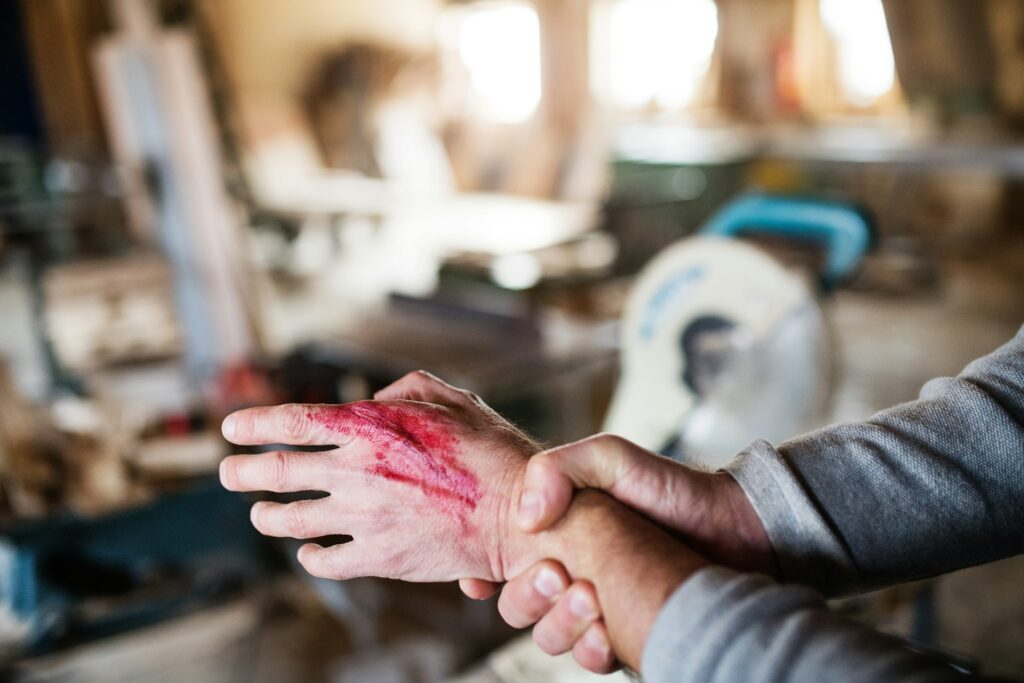
A bat bite can be difficult to recognise because the marks may be extremely small and easy to overlook. Unlike some animal bites, a bat bite may not leave an obvious wound, and you might not notice it happening.
Understanding what a bat bite can look like, which symptoms to watch for and what to do after possible contact can help you make safer decisions. You should seek urgent medical advice if a bat may have bitten or scratched you, even if you cannot see a mark on your skin. Bats can carry rabies, a serious viral infection that requires prompt assessment after a possible exposure.
What Does a Bat Bite Look Like?
A bat bite may look like one or two tiny puncture marks on the skin. Because bats have small, sharp teeth, the marks can be difficult to see, particularly if the bite is shallow.
Depending on the contact, you might notice:
- Tiny puncture marks: One or two small spots where the teeth have broken the skin.
- Slight redness: The surrounding area may look mildly red or irritated.
- Minor bleeding: A small amount of blood may appear if the skin has been broken.
- Tenderness or discomfort: The affected area may feel sore, although a bite might not be painful.
- No obvious mark: In some cases, you may not see any visible injury at all.
These signs aren’t unique to bat bites. A small mark on your skin cannot confirm that a bat has bitten you, and the absence of a mark cannot rule it out.
Where Do Bat Bites Usually Appear?
Bat bites can occur on any exposed area of skin that comes into contact with a bat. The location depends on how the contact happened.
Common areas to check include:
- Hands and fingers: Particularly if someone tried to pick up or move a bat.
- Arms: If a bat landed on or brushed against the arm.
- Face and neck: If a bat came into close contact with someone while they were sleeping or resting.
- Legs and feet: If a bat came into contact with exposed skin.
If you’ve had direct contact with a bat, don’t rely on checking your skin alone to decide whether medical attention is needed.
How Soon Do Bat Bite Marks Appear?
If a bat breaks the skin, a mark may be visible straight away. However, tiny punctures can be difficult to notice, and there may be little or no bleeding.
Redness, swelling or tenderness may develop later, but these symptoms aren’t reliable indicators of a bat bite.
It’s also important to understand that rabies symptoms do not appear immediately after a bite. The virus can take weeks or months to cause symptoms. Waiting to see whether symptoms develop is unsafe because preventive treatment needs to be assessed before symptoms begin.
How Can You Tell If a Bat Has Bitten You?
You may suspect a bat bite if you notice a small unexplained mark after direct contact with a bat. However, appearance alone cannot establish what caused the mark.
Pay particular attention to situations such as:
- Waking up to find a bat in your bedroom.
- Finding a bat on your bare skin.
- Handling a bat, even if it appeared calm or harmless.
- Feeling a sharp pinch or scratch while a bat is nearby.
- Discovering that a child or someone unable to describe what happened has been in direct contact with a bat.
Not every sighting of a bat means you’ve been exposed to rabies. However, direct contact that could have involved a bite or scratch needs prompt medical assessment.
What Should You Do After a Possible Bat Bite?
1. Wash the affected area
If there’s a possible bite or scratch, wash the area thoroughly with soap and running water for at least 15 minutes.
2. Seek urgent medical advice
Contact a healthcare professional or visit an appropriate medical facility promptly. Explain what happened, including whether you had direct contact with the bat.
3. Ask about rabies prevention
A healthcare professional can assess whether you need rabies vaccination and other preventive treatment. The decision depends on the circumstances of the exposure and local medical guidance.
4. Don’t handle the bat yourself
Keep your distance and contact local wildlife or public health services for advice if the bat needs to be assessed. Don’t try to catch it with your bare hands.
Rabies is almost always fatal once symptoms develop, but prompt preventive treatment can stop the disease from developing. Don’t delay seeking medical advice while trying to identify a bite mark.
Can a Bat Bite Heal on Its Own?
A small bat bite may heal on the surface without causing obvious problems. However, the appearance of a healing wound doesn’t tell you whether a rabies exposure has occurred.
The main concern isn’t simply whether the skin heals. It’s whether the contact could have transmitted an infection that requires preventive treatment.
If you think a bat may have bitten or scratched you, seek medical advice even if the mark has disappeared or the skin looks normal.
Final Thoughts
Bat bites can be difficult to recognise because they may leave tiny puncture marks, slight redness or no visible injury at all. Although examining the skin may help you notice a possible wound, it cannot reliably confirm or exclude a bat bite.
If you’ve had direct contact with a bat and cannot confidently rule out a bite or scratch, seek urgent medical advice. Wash any suspected wound thoroughly and ask a healthcare professional whether rabies prevention is needed.
Frequently Asked Questions
1. What does a bat bite look like on human skin?
It may look like one or two tiny puncture marks, mild redness or a small scratch. Sometimes, there is no obvious mark.
2. Do bat bites bleed?
They can bleed slightly if the skin is broken, but some bites cause little or no visible bleeding.
3. Can you feel a bat bite?
You might feel a pinch, sting or scratch, but a bite can go unnoticed.
4. Can a bat bite cause rabies?
Yes. An infected bat can transmit rabies through a bite or scratch. Prompt medical assessment is essential.
5. What should I do if I wake up with a bat in my room?
Seek urgent medical advice if you were asleep in the room with the bat and a bite or direct contact cannot be confidently ruled out.
6. Should I seek medical help if there is no bite mark?
Yes, if a bat may have bitten or scratched you. The absence of a visible mark does not rule out exposure.