
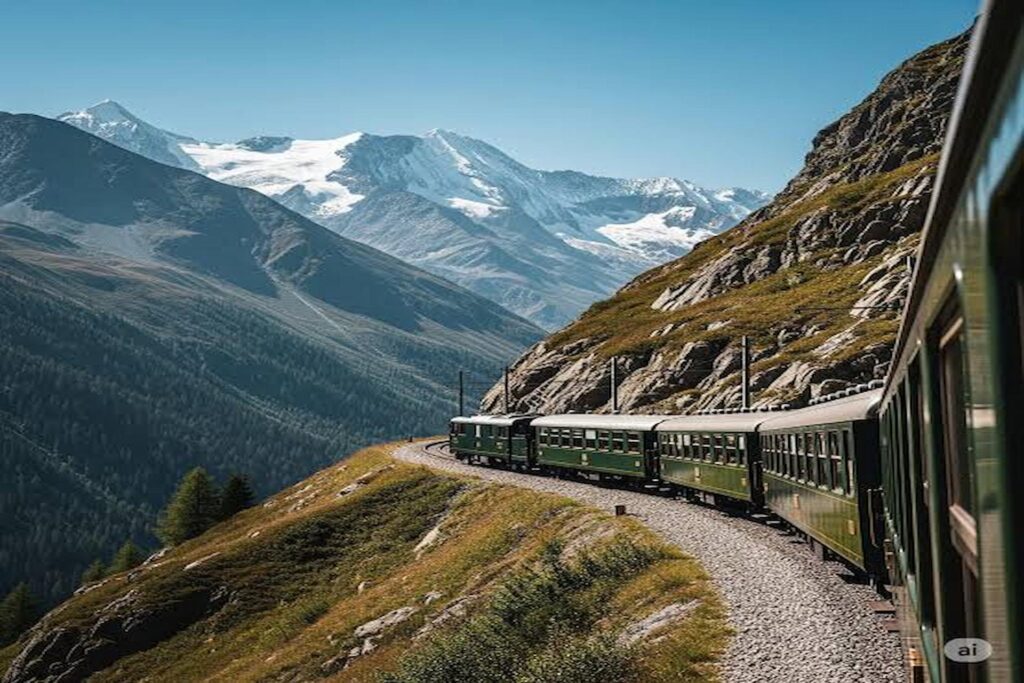
In a world that celebrates packed itineraries and ticking destinations off a bucket list, slow travel offers a refreshing alternative. It encourages travelers to pause, stay longer, and experience a place beyond its famous landmarks. Instead of racing from one attraction to another, slow journeys focus on meaningful experiences, local connections, and mindful exploration.
This approach isn’t about traveling less. It’s about traveling better. By slowing down, you create space to understand local traditions, appreciate everyday moments, and return home with memories that go deeper than photographs.
Whether you’re planning a weekend getaway or a month-long adventure, slow travel can transform the way you see the world.
What Is Slow Travel?
Slow travel is a mindset rather than a strict set of rules. It encourages spending more time in fewer destinations, allowing travelers to experience local life instead of simply observing it.
Rather than trying to visit five cities in one week, a slow traveler might spend that entire week exploring a single town, discovering neighbourhood cafés, chatting with local residents, and uncovering hidden places that rarely appear in guidebooks.
The philosophy draws inspiration from the broader slow living movement, which values quality, intention, and presence over speed and constant activity.
Why More People Are Choosing Slow Travel
Modern travel often comes with busy schedules, long queues, crowded attractions, and constant movement. While exciting, this pace can quickly become exhausting.
Slow travel offers several meaningful benefits.
Less Stress and Travel Fatigue
Constant flights, hotel changes, and early departures can leave travelers feeling tired rather than refreshed. Staying in one location reduces the pressure of frequent packing and transportation, making the entire journey more relaxing.
With fewer logistics to manage, you can focus on enjoying your surroundings instead of watching the clock.
Stronger Cultural Connections
Real cultural experiences rarely happen during a quick stop.
When you spend more time in one destination, opportunities naturally arise to:
- Learn local customs and traditions
- Visit neighbourhood markets
- Attend community events
- Support family-owned restaurants
- Build conversations with local residents
- Discover places that tourists often overlook
These authentic interactions create lasting memories that no sightseeing schedule can replicate.
Greater Mindfulness
Slow travel encourages you to notice the small details.
Instead of rushing to the next attraction, you may find yourself enjoying a peaceful morning coffee, watching daily life unfold in a town square, or taking an evening walk without any particular destination.
These simple moments often become the highlights of a journey.
The Environmental Benefits of Slowing Down
Sustainable travel has become increasingly important as more people consider the environmental impact of tourism.
Slow travel naturally supports responsible tourism by encouraging:
- Fewer flights and long-distance transfers
- Longer stays that reduce transportation emissions
- Support for independent local businesses
- Reduced pressure on overcrowded tourist attractions
- Respect for local communities and traditions
Choosing trains instead of short-haul flights where possible, walking through neighbourhoods, or cycling between attractions can significantly reduce your travel footprint while making the experience more enjoyable.
How to Plan a Meaningful Slow Journey
One of the biggest misconceptions is that slow travel requires months away from home. In reality, anyone can embrace this style of travel.
Choose Fewer Destinations
Instead of trying to see everything, select one or two places and give yourself time to explore them fully.
You’ll often discover more by staying longer than by constantly moving.
Stay Like a Local
Consider accommodation that allows you to settle into daily life.
Holiday apartments, guesthouses, farm stays, and locally owned inns often provide opportunities to connect with residents and experience the community beyond tourist areas.
Leave Space in Your Schedule
Not every hour needs to be planned.
Some of the best travel memories come from unexpected discoveries, including:
- A local festival
- A quiet beach
- A family-run bakery
- An invitation to a community event
- A scenic walking trail
Flexibility allows these experiences to happen naturally.
Walk Whenever Possible
Walking is one of the simplest ways to experience a destination.
You notice architecture, local businesses, street art, gardens, and neighbourhood life that would otherwise pass by unnoticed from a taxi or bus.
Supporting Local Communities
One of the most rewarding aspects of slow travel is its positive impact on local economies.
Instead of relying solely on international chains, consider supporting:
- Independent cafés
- Local restaurants
- Artisan markets
- Family-owned accommodation
- Local tour guides
- Community workshops
Buying handmade products and eating regional food not only enriches your experience but also helps preserve local traditions and livelihoods.
Embracing the Unexpected
Travel rarely goes exactly as planned.
A delayed train, unexpected rainstorm, or spontaneous conversation with a local resident can become memorable parts of your journey.
Slow travelers tend to view these moments as opportunities rather than inconveniences.
Without a tightly packed schedule, there is room to adapt, explore different paths, and enjoy experiences that cannot be planned in advance.
Is Slow Travel More Expensive?
Not necessarily.
In many cases, slow travel can actually reduce overall costs.
Longer stays often lead to lower accommodation rates. Cooking some meals instead of eating out every day also saves money. Using local public transport instead of frequent flights or taxis further reduces expenses.
Most importantly, travelers often find greater value because they enjoy richer experiences without constantly paying for rushed sightseeing or expensive transportation.
Can Slow Travel Wotravelrk for Short Holidays?
Absolutely.
Even a three-day weekend can embrace slow travel principles.
Rather than trying to visit several cities, spend your time exploring one destination in depth.
Visit local cafés, enjoy nearby walking trails, browse independent bookshops, talk with residents, and allow yourself to experience the destination without constantly checking your itinerary.
Quality of experience matters far more than the number of places visited.
Practical Tips for Your First Slow Travel Experience
If you’re ready to travel more intentionally, keep these simple ideas in mind:
- Stay at least three to five nights in one destination.
- Prioritise experiences over sightseeing checklists.
- Walk or cycle whenever practical.
- Eat where local residents eat.
- Learn a few phrases in the local language.
- Visit neighbourhood markets and community events.
- Leave free time every day.
- Keep your itinerary flexible.
- Support small businesses whenever possible.
- Focus on creating memories instead of collecting destinations.
Common Myths About Slow Travel
“You’ll Miss Too Much”
In reality, spending more time in fewer places often leads to deeper experiences than rushing through dozens of attractions.
“It’s Only for Long-Term Travelers”
Anyone can travel slowly, even on a short holiday. The mindset matters more than the length of the trip.
“It’s Boring”
Slow travel doesn’t mean doing less.
It means experiencing more meaningful moments instead of constantly moving between destinations.
Why Slow Travel Creates Lasting Memories
Years after a trip, people rarely remember every museum ticket or sightseeing stop.
Instead, they remember conversations with strangers, meals shared with local families, quiet mornings overlooking a village square, and unexpected discoveries found while wandering unfamiliar streets.
These moments happen when there is time to notice them.
Slow travel allows destinations to become places rather than simply stops on an itinerary.
Conclusion
Slow journeys remind us that travel is not a race. The goal isn’t to visit the most places but to experience each destination with curiosity, presence, and respect. By slowing down, you reduce stress, build genuine cultural connections, support local communities, and create memories that last far beyond your return home.
Whether you’re planning a weekend escape or an extended adventure, embracing slow travel can change not only how you explore the world but also how you experience it. Sometimes the richest journeys begin when you stop trying to see everything and simply allow yourself to be fully present where you are.
