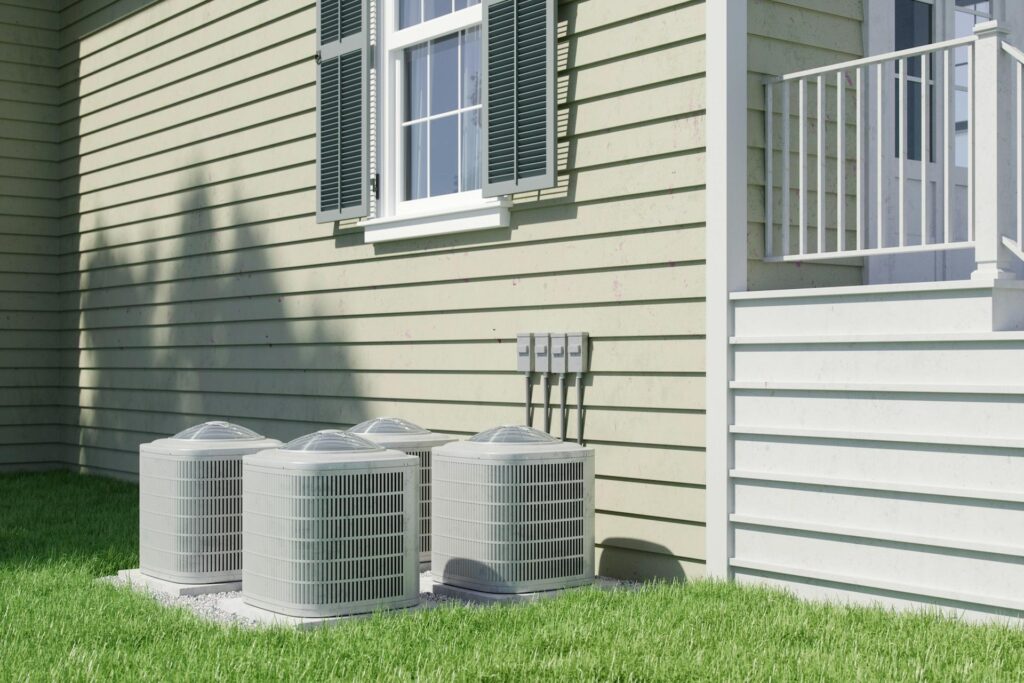
Cooling a home without existing ductwork can seem challenging, but modern HVAC innovations offer efficient, flexible, and cost-effective alternatives. Whether you’re upgrading an older property, renovating a space, or simply avoiding the expense of installing ductwork, there are several smart cooling solutions that deliver comfort without compromise.
Below are some of the most effective options homeowners are choosing today.
1. Ductless Mini Split Systems
One of the most popular and efficient options, ductless mini splits provide targeted cooling without requiring ductwork. These systems consist of an outdoor compressor and one or more indoor air-handling units mounted on walls or ceilings.
They are ideal for individual rooms, home additions, or entire homes when installed in multiple zones. Homeowners appreciate their quiet operation, energy efficiency, and precise temperature control. In fact, many systems allow you to set different temperatures for each room, reducing energy waste.
Additionally, installation is relatively simple compared to traditional HVAC systems. For a deeper look at how ductless mini splits work and their benefits, they remain a top choice for modern, energy-conscious homes.
2. Portable Air Conditioners
Portable air conditioners are a flexible solution for temporary or supplemental cooling. These units can be moved from room to room and require only a nearby window for venting hot air.
They are especially useful for renters or homeowners who need a quick fix without permanent installation. While they may not be as energy-efficient as other systems, their convenience and affordability make them a practical option.
Quick facts:
- No permanent installation required
- Ideal for small spaces or occasional use
- Easy to store when not in use
3. Window Air Conditioning Units
Window AC units remain a classic and cost-effective cooling solution. They are installed directly into a window frame and can cool single rooms efficiently.
Modern models have improved significantly, offering better energy efficiency, quieter operation, and smart features like remote control and programmable timers.
While they may not provide whole-home cooling, they are perfect for bedrooms, home offices, or smaller living areas where targeted cooling is sufficient.
4. Evaporative Coolers (Swamp Coolers)
Evaporative coolers use water evaporation to cool the air, making them an eco-friendly alternative to traditional air conditioning. They work best in dry climates where humidity levels are low.
These systems consume significantly less electricity than standard AC units and also add moisture to the air, which can improve indoor comfort in arid regions.
However, they are less effective in humid environments, so climate plays a crucial role in their performance.
High-Velocity HVAC Systems
High-velocity systems are a less common but highly effective option for homes without ducts. They use small, flexible tubing instead of large ductwork, making installation easier in older homes or tight spaces.
These systems distribute air at high speed, ensuring consistent cooling throughout the home. They also offer a more discreet appearance, as the vents are much smaller compared to traditional systems.
While the upfront cost may be higher, the performance and aesthetic benefits often justify the investment.
Through-the-Wall Air Conditioners
Similar to window units, through-the-wall air conditioners are installed directly into an exterior wall. They provide a more permanent solution without taking up window space.
These units are ideal for rooms where window installation is not practical or desired. They also tend to be more secure and aesthetically pleasing compared to window-mounted options.
Ceiling Fans with Smart Integration
While not a standalone cooling system, ceiling fans can significantly enhance comfort when paired with other solutions. They improve air circulation, making rooms feel cooler without lowering the temperature.
Modern smart fans can be integrated with home automation systems, allowing you to control speed and direction remotely. When used correctly, they can reduce reliance on air conditioning and lower energy bills.
Key benefits:
- Energy-efficient cooling support
- Improves airflow distribution
- Works well with AC systems
Smart Ventilation and Hybrid Cooling
Smart ventilation systems use sensors and automation to regulate airflow and temperature naturally. These systems can open vents, adjust airflow, and integrate with cooling units to maintain optimal indoor conditions.
Hybrid systems combine multiple technologies, such as mini splits and ventilation, to create a balanced and energy-efficient cooling strategy. This approach is particularly effective for modern homes aiming to reduce energy consumption while maintaining comfort.
Final Thoughts
Cooling a home without traditional ductwork is no longer a limitation. From advanced systems like ductless mini splits to simple solutions like portable units and fans, there are options to suit every budget and lifestyle. The key is to assess your space, climate, and cooling needs before choosing the right solution. With the right system in place, you can achieve efficient, reliable comfort without the complexity of duct installation.