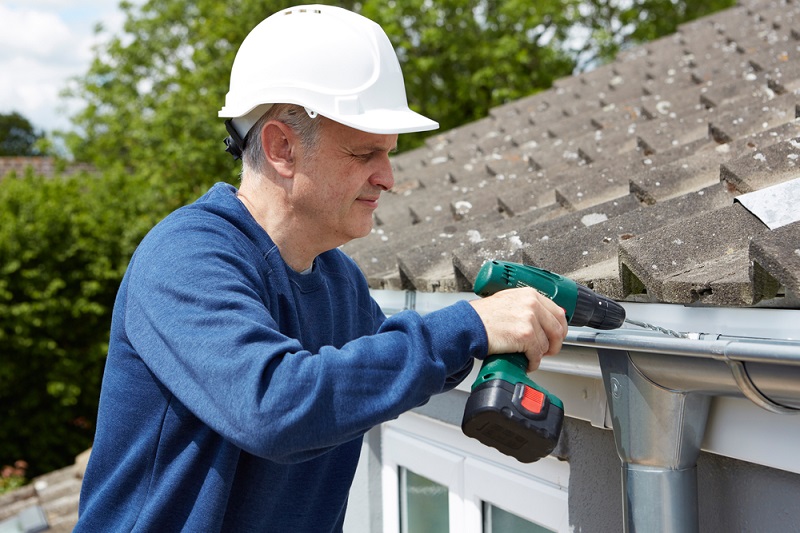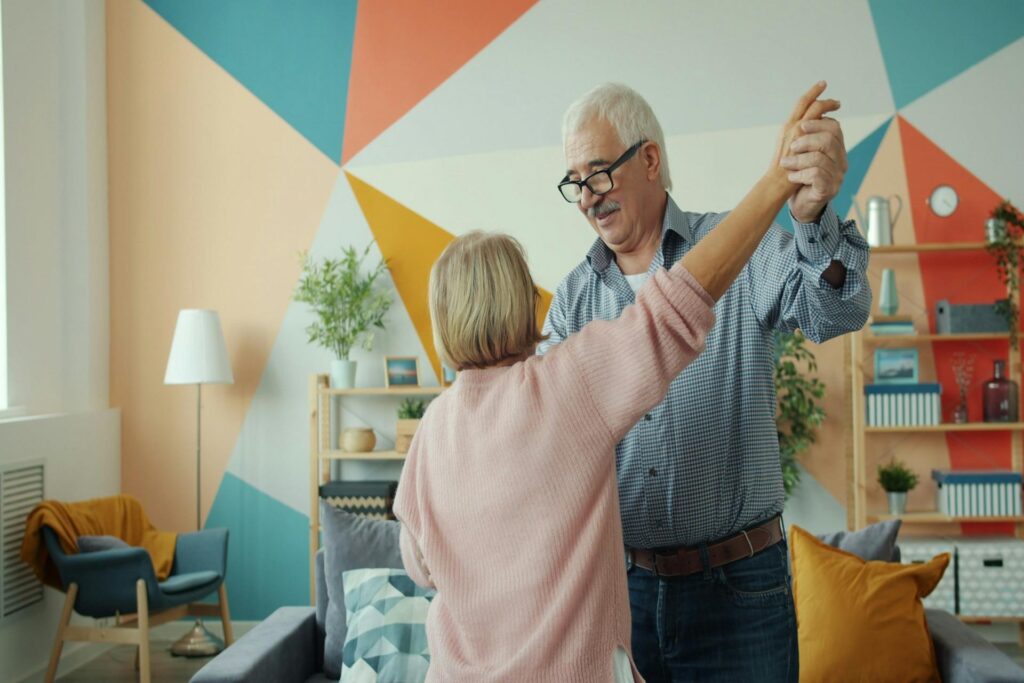
The desire to stay in our own homes as we get older is nearly universal. Home means more than just four walls—it holds memories, routines, and a deep sense of independence. As our bodies change, our homes can change too. The good news is that with thoughtful planning and smart updates, you can create a living environment that supports your independence for years to come.
Successful aging means being able to conduct daily activities with autonomy. These activities range from basic self-care like bathing and eating to instrumental tasks like cooking and housekeeping . Let’s walk through practical ways to make every part of your home safer, more accessible, and truly age-friendly.
A Room-by-Room Assessment Guide
Start by taking a fresh look at your living space. What worked ten years ago might not work today. Most homes were never designed with aging bodies in mind—features that once felt normal can become hidden obstacles .
Bathroom Modifications
The bathroom is one of the most dangerous rooms for older adults. Slippery floors, hard surfaces, and tight spaces make it easy to lose balance .
Simple, low-cost improvements:
- Add non-slip mats inside and outside the shower or tub
- Install grab bars near the toilet and in the shower
- Use a shower chair or transfer bench to reduce standing strain
- Add a handheld showerhead for easier bathing while seated
- Install a raised toilet seat or safety frame
- Add nightlights for improved visibility during nighttime trips
More significant upgrades:
- Install a walk-in shower with a low threshold
- Widen doorways to accommodate walkers or wheelchairs (minimum 36 inches)
- Replace glass shower doors with curtains for easier access
- Choose textured, non-slip flooring throughout
- Upgrade to lever-style faucet handles that are easier to grip
Grab bars cost anywhere from $25 to $80, with professional installation highly recommended to ensure they can bear weight properly . A walk-in shower can be a larger investment starting around $2,000, but it dramatically improves safety and confidence .
Kitchen Adaptations
The kitchen presents its own challenges. Bending, reaching, and standing for extended periods can become difficult and uncomfortable.
Key kitchen safety features:
- Install pull-out shelves and lower cabinets to reduce the need for reaching
- Add good task lighting under cabinets and above counters
- Use color contrast on counter edges to improve visibility
- Install smoke and gas detectors
- Consider a multi-level counter system—research shows that when counter heights align with your natural elbow height, it can reduce trunk flexion by 35% and shoulder elevation by 22%
- Choose D-shaped or loop-style drawer pulls that are easier to grip
Proper kitchen layout can reduce physical strain significantly. Standard counter heights often exceed the natural elbow height of older adults, which forces forward bending and creates back and shoulder stress .
General Home Safety
Beyond bathrooms and kitchens, your entire home should support safe movement.
Examine these areas:
Stairs and entryways:
- Install sturdy handrails on both sides of staircases
- Add good lighting at the top and bottom of every stairway
- Ensure handrails extend beyond the first and last step
- Consider installing a ramp with handrails to the front door
- Mark stair edges with contrasting tape for better visibility
Floors and walkways:
- Remove or firmly secure area rugs—they’re a primary tripping hazard
- Keep floors clear of clutter, cords, and pet items
- Ensure all flooring surfaces are level with no raised edges
- Use non-slip strips on surfaces that may get wet
Lighting:
- Install brighter bulbs and add lighting in dark corners
- Use motion-activated lights along hallways and in bathrooms
- Replace standard bulbs with smart bulbs that can be controlled by voice or phone
- Install illuminated switch plates for easier location at night
The cost of home modifications is often dramatically less than what families expect. A typical set of improvements—grab bars, improved lighting, non-slip surfaces, and layout adjustments—often costs 10 to 20 times less than a single year in assisted living .
Emerging Technology That Supports Independence
Technology has evolved to offer remarkable support for aging in place. Smart home devices and medical alert systems can provide peace of mind while preserving independence.
Medical Alert Systems
Traditional medical alert pendants require you to press a button when help is needed. These work well when you’re conscious and able to reach the button. Newer “passive” technology can automatically detect falls through motion tracking and alert emergency services without any action from you .
Some systems use cameras or motion sensors placed throughout the home, while others incorporate the technology into wearable devices like smartwatches . Many offer 24/7 monitoring with trained agents who can dispatch emergency services or contact family members when needed .
According to research, a pilot program combining smart technology with home modifications showed:
- 89% improvement in daily living activities
- 91% increase in readiness for change
- Clinically meaningful reduction in fear of falling
The average cost? Just $567 per participant for smart technology and home modifications .
Smart Home Devices
Simple, effective smart home tools include:
- Smart speakers that can make hands-free calls, set medication reminders, and even call for help in emergencies
- Video doorbells to see and speak with visitors from anywhere in the house
- Smart locks that allow caregivers to enter with a code when needed
- Smart lighting that responds to voice commands or schedules
- Motion-activated night lights to illuminate pathways automatically
- Smart pill dispensers that alert you when medication is due and notify family if doses are missed
Telehealth Capabilities
Virtual doctor visits have become standard care. Using a tablet or computer, you can consult with specialists and primary care physicians for follow-up appointments, mental health check-ins, or lab result reviews. This saves time, reduces transportation barriers, and minimizes exposure to illnesses .
Financial Considerations: Paying for Modifications
Home modifications require investment, but there are multiple ways to make them affordable.
Typical Costs
Basic modifications are surprisingly affordable:
- Grab bars: $25–$80 each
- Shower chairs: $25–$100
- Handheld showerhead: Around $60
- Bathmat tape and traction tape: Under $15
- Walk-in shower renovation: Starting around $2,000
Many modifications can be done gradually, starting with the most critical safety improvements.
Financing Options
Loans against life insurance policies can be a practical way to fund home modifications. If you have an endowment or ULIP policy, you may be able to borrow against its surrender value .
Key features of this option:
- Loan amounts up to 80% of the policy’s surrender value
- Interest rates typically 8% to 12% per annum
- Repayment terms up to 96 months
- Your insurance coverage and investment benefits remain intact throughout the loan period
Check with your health insurance provider about coverage for medically necessary home modifications. Some Medicare Advantage plans and regional health plans now include home safety assessments and modifications as covered benefits .
Other options to explore:
- State and local programs for aging-in-place assistance
- Reverse mortgages (carefully considered)
- Veterans benefits for home modifications
- Personal savings with a phased approach over time
When Aging in Place Becomes Unsafe
Even with modifications, there may come a time when staying home isn’t the safest option.
Warning Signs to Watch
Physical and safety concerns:
- Falls are becoming more frequent
- You’re skipping showers or bathing because it feels too difficult
- You’ve stopped using parts of your home (like upstairs rooms or the basement)
- You’re eating less nutritious food because preparing meals is exhausting
- You’re losing weight or showing signs of poor nutrition
- You’re unable to keep up with basic housekeeping and home maintenance
Cognitive concerns:
- You’re forgetting to take medications or taking the wrong doses
- You’re getting confused about appointments and daily routines
- You’ve gotten lost in familiar places
- You’re forgetting to pay bills or losing track of finances
- You’re leaving stoves on or showing signs of cooking safety issues
What to do:
Talk honestly with family members about how you’re managing. Sometimes it helps to have a trained home safety professional assess your situation. They can spot risks that family members may miss and offer neutral, non-judgmental recommendations .
Many families don’t realize that hidden risks exist in familiar spaces. As one example, a family in Arizona was preparing to move their mother into assisted living after two falls. A professional assessment revealed multiple issues they’d overlooked—and with less than $2,800 of targeted modifications, her fall risk dropped dramatically. She lived safely at home for four more years .
Transitioning to Assisted Living
If safety concerns escalate, transitioning to assisted living may be the right choice. This doesn’t mean you’ve failed—it means you’re making a wise decision about your wellbeing.
Consider assisted living when:
- Your safety at home can’t be adequately addressed even with modifications
- You need more daily help than family can provide
- Social isolation is affecting your mental health
- Your home has become more burden than comfort
The conversation is easier when you plan ahead. Involve family members in discussions before a crisis occurs. Frame it as a positive choice about safety and quality of life rather than a loss of independence.
Taking the First Steps
You don’t need to remodel your entire home at once. Start with a simple assessment:
- Walk through each room and note any hazards or difficulties
- Start with low-cost fixes—grab bars, better lighting, removing tripping hazards
- Talk with family about your observations and concerns
- Consider a professional assessment from an aging-in-place specialist or occupational therapist
- Plan modifications in phases based on your changing needs and budget
- Explore financing options early to understand what’s available
Remember what a professional home safety assessment can provide:
- Objective evaluation of risks you might miss
- Cost-effective recommendations that fit your specific situation
- Neutral conversation starter with family members
- Peace of mind that your home environment supports your independence
Aging in place isn’t about staying in your home at all costs—it’s about creating a home that supports the life you want to live.
FAQs
What are the most important home modifications for aging in place?
Installing grab bars in bathrooms, improving lighting throughout the home, removing tripping hazards like area rugs, and adding non-slip surfaces in wet areas are the most critical and cost-effective modifications .
How much do home modifications for seniors typically cost?
Basic modifications like grab bars, shower chairs, and lighting improvements can cost under $500 total. More extensive renovations like walk-in showers start around $2,000. Professional assessments can help prioritize your spending .
Does insurance cover home modifications for aging in place?
Some Medicare Advantage plans and regional health plans now cover home safety assessments and modifications. Check with your provider. Loans against life insurance policies are another option for funding .
What technology helps seniors age in place safely?
Medical alert systems with fall detection, smart speakers for voice-controlled help, smart lighting, video doorbells, and smart pill dispensers all support safety and independence .
When is it no longer safe to age in place?
When falls become frequent, bathing or cooking become dangerously difficult, medications are missed regularly, or you’re avoiding parts of your home due to accessibility issues. A professional assessment can help guide this decision .
Conclusion
Aging in place is both a deeply personal desire and a practical goal that’s achievable for most people. Your home can evolve with you. By making thoughtful modifications—starting with simple safety improvements and gradually adding technology and accessibility features—you can create an environment that supports your independence for years to come.
Whether you’re planning ahead or responding to current needs, remember that you don’t have to do everything at once. Start with the most critical safety fixes, explore financing options if needed, and consider professional guidance when you’re unsure.
The decision to age in place is personal, and so is the path you take. With careful planning, realistic assessments, and a willingness to make changes when needed, you can maintain the independence and comfort of home that matters so much to all of us.