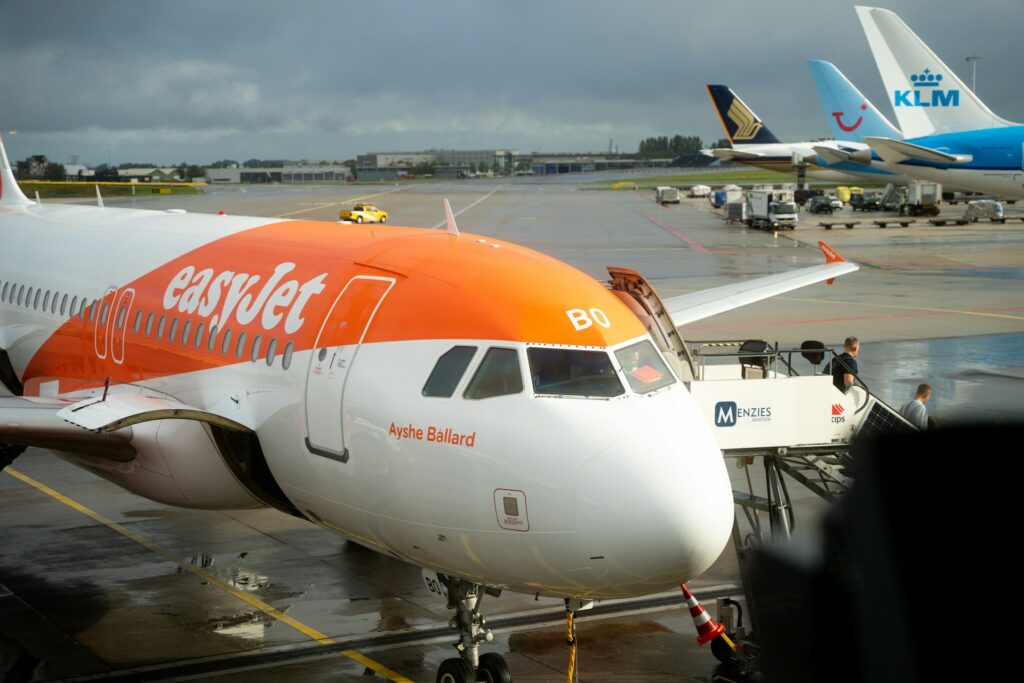
When easyJet flight U2238 unexpectedly diverted to Newcastle Airport, it quickly attracted attention online. Travellers and aviation enthusiasts alike wanted to know why a routine flight from Copenhagen to Manchester had declared an emergency and changed course.
Headlines describing an “emergency landing” naturally raised concerns about the safety of the aircraft. However, the confirmed information tells a much calmer story. Rather than a technical failure, the diversion was made to provide urgent medical assistance to a passenger on board.
Here’s a closer look at what happened and why the crew made the decision to land in Newcastle.
The Flight and the Diversion
On the evening of 27 October 2025, easyJet flight U2238 departed Copenhagen Airport on its scheduled journey to Manchester.
The aircraft, an Airbus A320, followed its planned route across the North Sea, and for much of the journey there were no reported issues.
As the aircraft approached the east coast of England, the situation changed.
The flight crew declared a general emergency and diverted away from Manchester, choosing instead to land at Newcastle Airport. According to publicly available flight tracking information, the aircraft landed safely at approximately 10:52 pm GMT, where emergency services were already in position.
Soon afterwards, easyJet confirmed that the diversion had been made because a passenger required urgent medical treatment.
Following a short stop to allow medical teams to assist, the aircraft later continued its journey to Manchester.
Why Newcastle Was Chosen
When an emergency occurs during a flight, pilots do not simply select the nearest airport at random.
Every diversion is based on several important factors, including the aircraft’s position, weather conditions, runway availability, airport facilities, and the speed at which emergency assistance can be provided.
In this case, Newcastle Airport offered the closest suitable option with the medical resources needed to respond quickly.
When someone’s health is at risk, reaching professional medical care as soon as possible becomes the highest priority. Even saving a few minutes can make a significant difference during a medical emergency.
Newcastle is a fully equipped international airport capable of handling unscheduled arrivals and coordinating immediate assistance from emergency services. For aircraft approaching north-east England, it is often one of the most practical diversion airports available.
The crew’s decision reflected established aviation procedures designed to protect passengers whenever urgent medical situations arise.
What Does an Emergency Landing Mean?
The phrase “emergency landing” often sounds more alarming than it actually is.
In aviation, an emergency landing simply means that the flight crew has declared an emergency and requested priority handling from air traffic control. It does not automatically indicate that the aircraft itself is experiencing a dangerous technical problem.
During the incident, reports indicated that the aircraft transmitted Squawk 7700, the internationally recognised transponder code used to signal a general emergency.
This code immediately alerts air traffic controllers, allowing them to give the aircraft priority and prepare emergency services if required.
Importantly, Squawk 7700 does not explain what type of emergency has occurred.
The signal may be used for several different situations, including:
- A serious medical emergency involving a passenger.
- Technical problems affecting the aircraft.
- Smoke or other onboard concerns.
- Security-related incidents.
In the case of flight U2238, easyJet later confirmed that the diversion was linked to a passenger requiring urgent medical attention rather than a mechanical issue with the aircraft.
Was There a Mechanical Problem?
One of the biggest questions following the incident was whether the aircraft itself had experienced a technical fault.
Based on the information released by the airline and supported by available flight data, there is no confirmed evidence that the Airbus A320 suffered a mechanical failure.
One of the strongest indicators is what happened after the diversion.
Once the passenger received medical assistance in Newcastle, the aircraft continued its journey to Manchester.
If engineers had identified a serious technical problem, the aircraft would normally have remained on the ground for inspection before being cleared to fly again.
Although airlines do not always publish every operational detail following an emergency, the available evidence suggests the diversion was driven by medical necessity rather than concerns about the aircraft’s safety.
How Airlines Respond to Medical Emergencies
Medical emergencies are uncommon, but they are something airlines prepare for on every flight.
Cabin crew receive specialist training to deal with a wide range of situations, from passengers feeling unwell to more serious medical conditions. Every commercial aircraft is equipped with emergency medical supplies, and many also carry automated external defibrillators (AEDs) for life-threatening cardiac incidents.
When a passenger becomes seriously ill, the crew immediately assess the situation, provide first aid where possible, and keep the flight deck informed. If necessary, airlines can also consult medical professionals on the ground, who help determine whether the flight should continue or divert to the nearest suitable airport.
Changing course is never a decision taken lightly. Diverting a flight affects passengers, schedules, and airline operations, so it is only considered when the crew believe immediate medical care is the safest option.
Why Diversions Are Sometimes Necessary
Although the word “diversion” can sound dramatic, it is an important part of modern aviation safety.
Pilots constantly monitor the aircraft, weather conditions, and any issues that arise during a flight. If a passenger’s condition worsens or there is concern that waiting until the scheduled destination could put their health at greater risk, diverting becomes the safest course of action.
The decision is based on several factors, including:
- The passenger’s medical condition.
- The distance to nearby airports.
- Emergency medical facilities available on the ground.
- Weather and runway conditions.
- Advice from medical specialists, where available.
Rather than signalling a failure, a diversion often demonstrates how carefully airlines manage unexpected situations.
What Passengers Would Have Experienced
For those travelling on easyJet flight U2238, the diversion would likely have been calm but understandably concerning.
Passengers may first have noticed cabin crew moving quickly through the cabin or asking whether any medical professionals were travelling on board. These announcements are common during serious medical situations and are intended to provide immediate assistance if needed.
Once the decision to divert had been made, the captain would have informed passengers that the aircraft was changing course. In many cases, only limited information is shared during the flight, helping to avoid unnecessary concern while the crew focus on the situation.
As the aircraft approached Newcastle, emergency vehicles were positioned alongside the runway as a precaution.
Although seeing fire engines and ambulances waiting can be unsettling, this is standard procedure whenever an aircraft has declared an emergency. Their presence does not necessarily indicate that the aircraft itself is in danger.
After landing, medical personnel were able to board or meet the aircraft immediately to assist the passenger requiring urgent care.
Was There Any Danger to the Aircraft?
Following incidents like this, many people naturally wonder whether the aircraft experienced a hidden technical problem.
Based on the available information, there is no indication that easyJet flight U2238 was dealing with a mechanical fault.
The aircraft completed its landing safely, the passenger received medical assistance, and the flight later continued to Manchester.
If engineers had identified a serious technical issue, the aircraft would normally have remained at Newcastle for inspection before returning to service.
While airlines do not always publish every operational detail after an emergency diversion, the available evidence supports the conclusion that the aircraft remained fully serviceable throughout the incident.
Why Aviation Incidents Spread So Quickly Online
Stories involving aircraft emergencies often attract significant attention, even when the situation is quickly brought under control.
Terms such as “emergency landing” or “flight diversion” naturally create concern, leading many people to search for more information before official details become available.
Unfortunately, early reports are sometimes based on limited information, allowing rumours and speculation to spread across social media and other websites.
For that reason, the most reliable information usually comes from official airline statements, verified flight tracking data, and established aviation news sources.
In the case of easyJet flight U2238, those sources consistently pointed towards a medical emergency involving a passenger rather than any problem with the aircraft itself.
Understanding the difference between verified facts and speculation is important whenever aviation incidents receive widespread public attention.
What This Incident Says About Airline Safety
Although an emergency diversion may sound alarming, events like this are a reminder of how commercial aviation is designed to respond when something unexpected happens.
Flight crews receive extensive training to deal with emergencies, whether they involve passengers, weather conditions, or technical concerns. When a situation develops during a flight, pilots follow established procedures that place safety above schedules or convenience.
Declaring an emergency allows air traffic controllers to give the aircraft immediate priority, ensuring the quickest possible route to a suitable airport and enabling emergency services to prepare before landing.
In the case of easyJet flight U2238, these procedures worked exactly as intended. The aircraft landed safely, medical assistance was available without delay, and passengers were later able to continue their journey.
Why Emergency Diversions Matter
A diversion should not automatically be viewed as a sign that something has gone seriously wrong with an aircraft.
In many cases, it reflects a cautious decision made to protect the wellbeing of everyone on board.
When a passenger experiences a serious medical emergency, delaying treatment until the scheduled destination may not be the safest option. Landing at the nearest suitable airport allows trained medical professionals to take over as quickly as possible.
Although diversions inevitably cause delays and inconvenience, they demonstrate that airline crews are prepared to respond rapidly whenever circumstances change.
Public Interest and Online Reporting
Incidents involving commercial aircraft often generate significant online attention within a short period.
Because the words “emergency landing” naturally attract interest, early reports can sometimes create confusion before all the facts become available.
In situations like this, it is important to distinguish between confirmed information and speculation.
Official statements from the airline, supported by verified flight tracking data, provide the most reliable picture of events.
For flight U2238, those sources consistently indicated that the diversion was caused by a passenger requiring urgent medical attention rather than a technical problem affecting the aircraft.
Frequently Asked Questions
Why did easyJet flight U2238 land in Newcastle?
The aircraft diverted to Newcastle because a passenger required urgent medical treatment. Newcastle Airport was the nearest suitable airport able to provide immediate emergency assistance.
Was there a mechanical problem with the aircraft?
Based on the available information, there is no confirmed evidence of a mechanical fault. The airline stated that the diversion was prompted by a medical emergency involving a passenger.
What does Squawk 7700 mean?
Squawk 7700 is the internationally recognised transponder code used by aircraft to declare a general emergency. It alerts air traffic control so the aircraft receives immediate priority, but it does not identify the specific reason for the emergency.
Did the aircraft continue to Manchester?
Yes. After the passenger received medical attention in Newcastle, the aircraft resumed its journey and completed the flight to Manchester.
Were any injuries or fatalities reported?
No reliable reports indicated any fatalities connected with the incident. The passenger requiring medical assistance was attended to after the aircraft landed, but no further official medical details were released.
Are medical diversions common?
Medical emergencies do occur on commercial flights, although they are relatively uncommon. Airlines train their crews to manage these situations, and when necessary, pilots divert to the nearest suitable airport so passengers can receive prompt medical care.
Final Thoughts
The diversion of easyJet flight U2238 to Newcastle attracted widespread attention because emergency landings naturally raise questions about passenger safety. However, the confirmed facts show that this was a carefully managed medical diversion rather than an aircraft emergency.
The flight crew followed established safety procedures, air traffic control provided priority handling, and emergency services were ready when the aircraft arrived. Once the passenger received the necessary medical assistance, the flight was able to continue safely to its original destination.
Rather than highlighting a failure within the aviation system, the incident demonstrates how modern airlines respond when urgent situations arise. Every stage of the response, from the emergency declaration to the diversion and medical assistance, was aimed at protecting those on board.
While unexpected events during a flight can be unsettling, this incident shows that commercial aviation is built around careful planning, well-practised procedures, and decisions that always place passenger safety first.